Promising for the future: bidirectional charging and «mobility as a service»
At Allride, customers enjoy «mobility as a service,» use all kinds of vehicles, and drive electric cars that can be charged bidirectionally—mobility, just different.


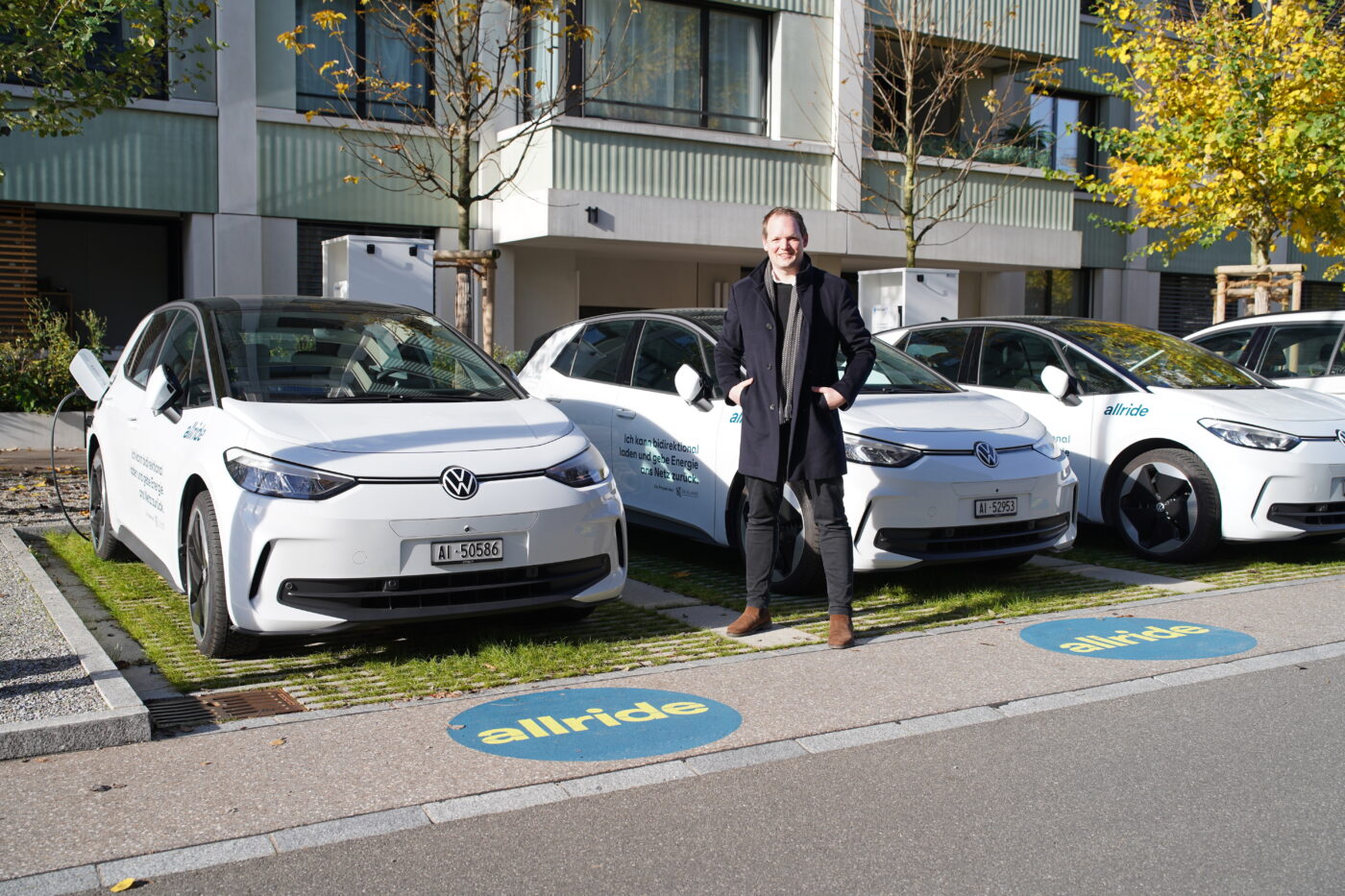
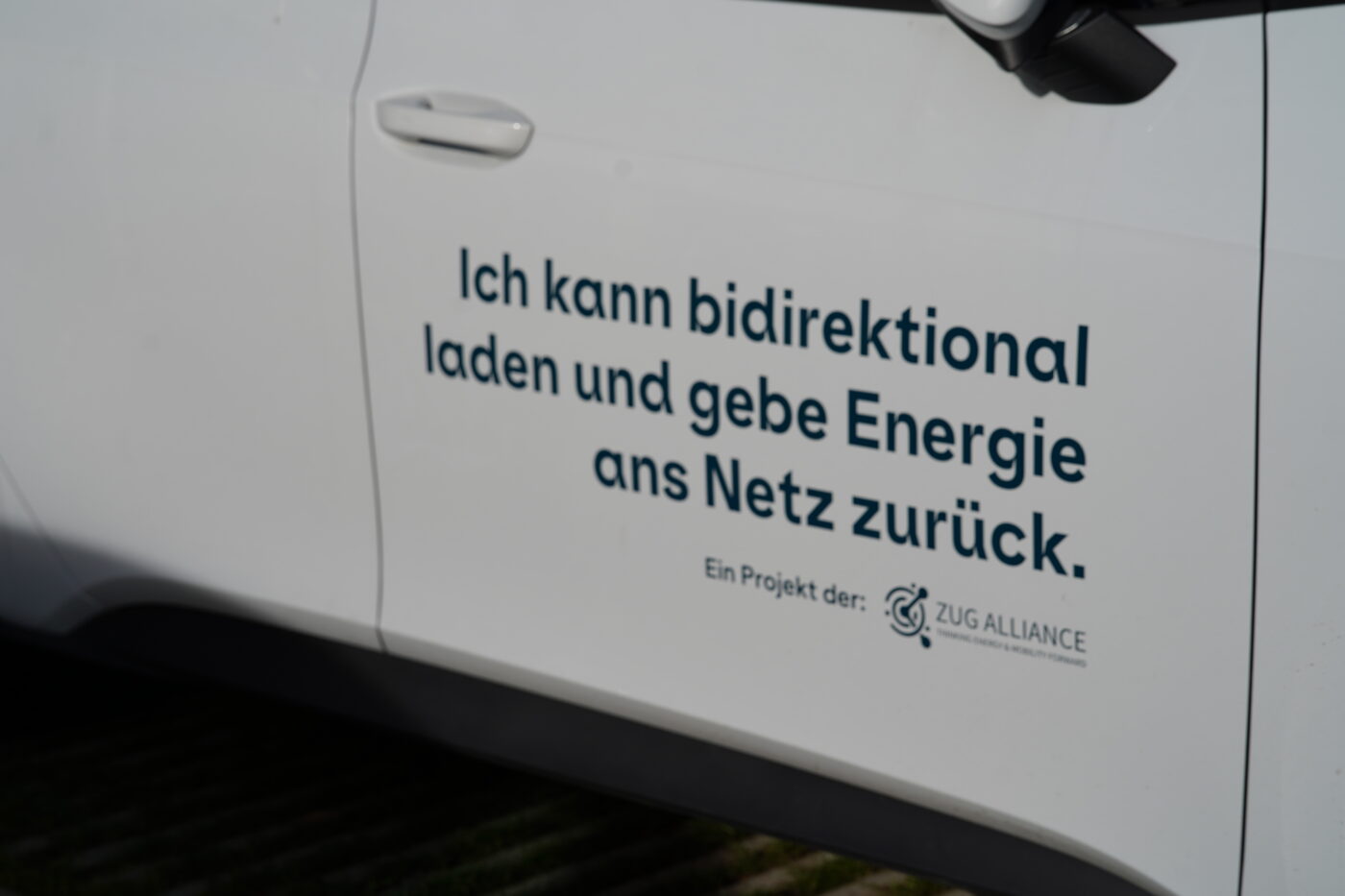
In Japan, bidirectional energy transfer has been mandatory for electric vehicles for years. This means they can both draw power and feed it back into the grid. With «V2X Suisse,» car-sharing provider Mobility teamed up with six partner companies from 2021 to 2024 to test the potential of bidirectional electric cars as energy storage devices – an exciting pilot and demonstration project. That was then, but at Amag subsidiary Allride, it is now already part of the business model, for example at the Papieri site in Cham, Canton of Zug, where three VW ID.3s are waiting for their next assignment.
Help cushion energy peaks
Thanks to Helion BiDi bidirectional charging stations, electric cars are rolling energy storage devices. Energy flows are controlled by the Helion One energy management system, which connects solar panels, heat pumps, and electric charging stations and optimizes their interaction for greater efficiency and profitability. From January 2026, Helion will also be offering this bidirectional charging service to private and corporate customers. «The three vehicles can each deliver around 10 to 11 kW, so a maximum of 33 kW can be provided. This allows us to cushion the start-up of a heat pump, for example,» reveals Allride CEO Arjan Vlaskamp.
 But what if the VWs are not 100 percent charged for the next trip? Vlaskamp admits that there is indeed skepticism here: «However, this range anxiety does not apply to bidirectional charging. There is still a lack of awareness and understanding of e-mobility. With a 60 percent charge, you can still drive 250 kilometers. In the past, you could easily continue driving or set off in a combustion engine car with significantly less fuel in the tank.» Thanks to end-to-end digitalization, Allride can also prevent the car from having insufficient battery capacity when it is reserved for the next day.
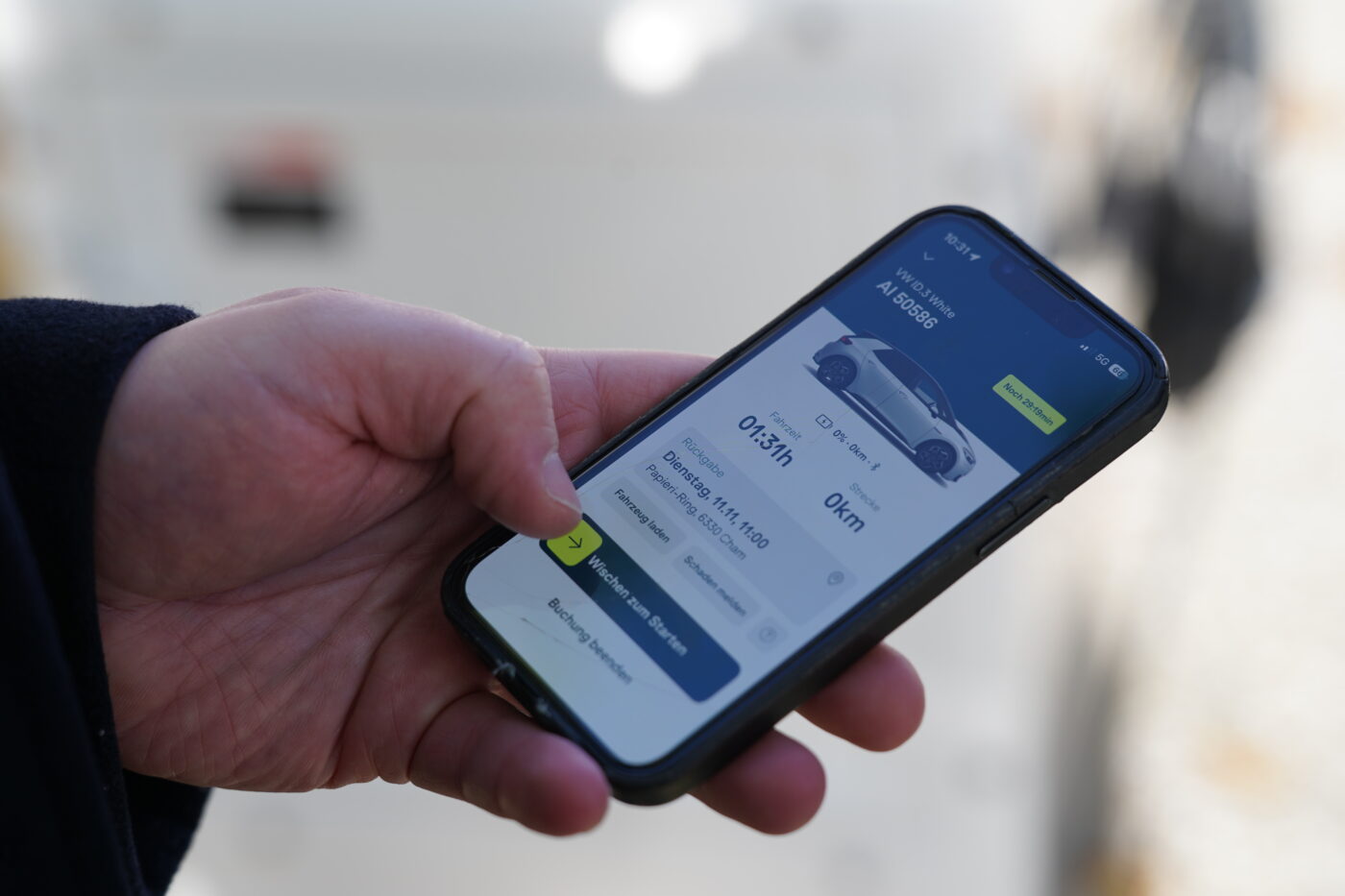 Vlaskamp adds: «We can schedule proactive service intervals for all Allride vehicles – even the e-bikes.» This minimizes technical defects during use. Digitalization also means no vehicle keys, no logbooks – everything is done via the Allride app or portal. At a time when cities are planning for one car per five new residential units, this «mobility as a service» is a convenient way to have access to a car without owning one. And when the e-cars are not in use, they can feed electricity back into the building, helping to break expensive power peaks and stabilize the grid—clever and forward-looking.