Renault's Palencia plant: how cars will be built in the future
In the car factory of the future, AI will ensure that customers are spared car breakdowns later on. At Renault, this future is already a reality - in order to stand up to China.


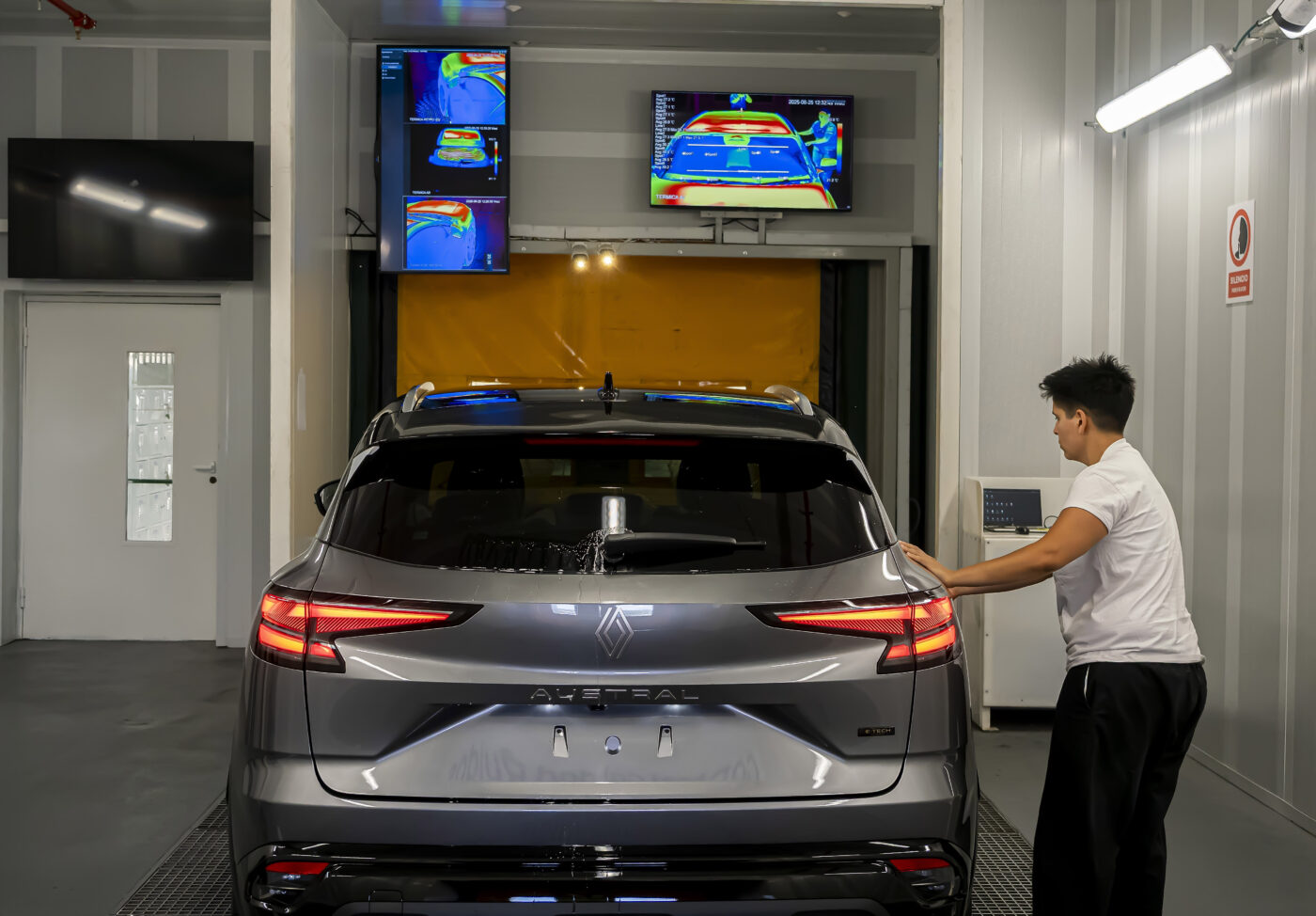
Let's listen carefully. We are standing in the final inspection area of the Renault plant in Palencia in northern Spain. An employee is carrying out door closing tests: «Boom», the driver's door slams firmly into the lock. That's how it should be, that's how it should sound - apart from the «wham», we hear nothing. Suddenly, the artificial intelligence (AI), which is listening via microphone, sounds the alarm: the AI audio analysis shows a rattling sound that is barely audible to humans. The solution to the mystery: There is a tiny loose plastic clip in the door.
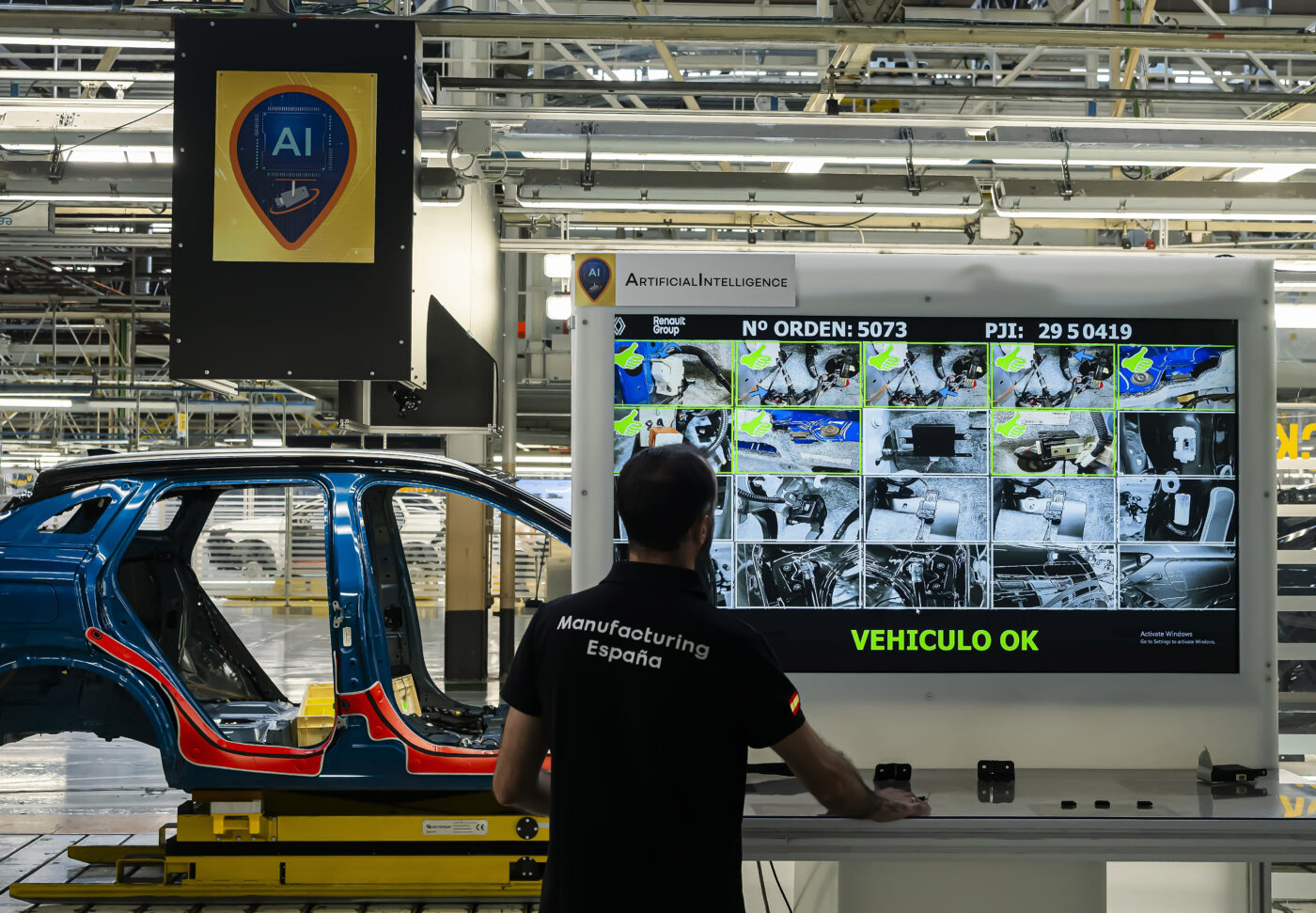
In the past, the super-quiet rattling would only have been noticed by the buyer of the car at some point over the course of the kilometers, who would have been annoyed and then called out to the garage for troubleshooting. Now the fault is rectified before the car rolls out of the factory: Renault saves on warranty costs and the customer saves nerves. And not just for the cars from the Palencia plant (14 percent of all Renaults come from three Spanish plants), where a good 600 robotic trolleys whizz around autonomously and employees will soon be slipping into exoskeletons like something out of a science fiction movie to lift heavy loads: in future, all Renault plants will have AI checkpoints such as the aforementioned door noise control. There are almost 1000 checkpoints at the Palencia plant alone.
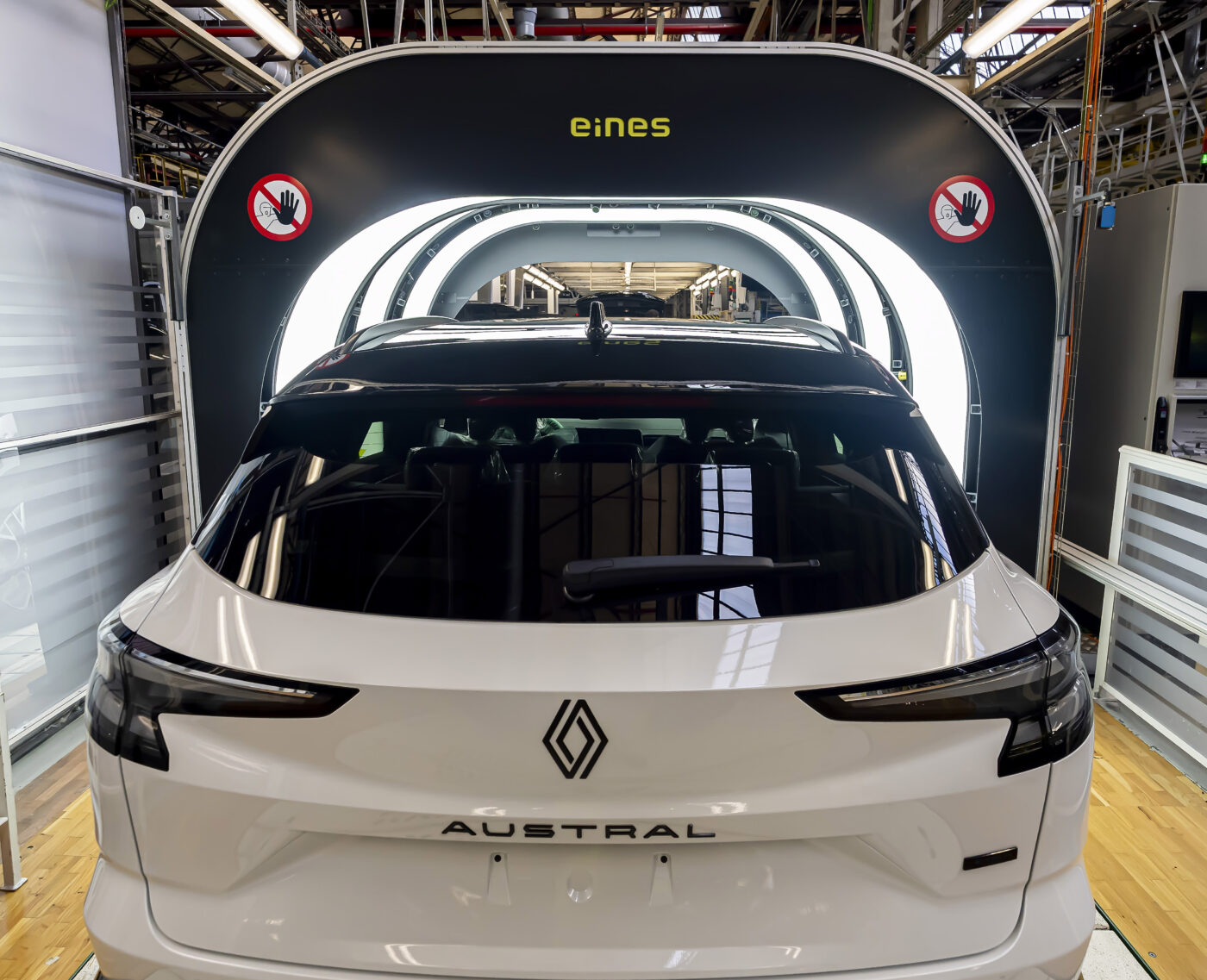 AI checks every wheel bolt
Just a few examples of what this is good for: 3D cameras and AI check whether plug couplings are engaged down to the last millimeter before the cables disappear into the dashboard - so that they don't come loose in a pothole many kilometers away. Wheel bolts are scanned: No eye can see if a fifth of a turn is missing - but the camera and AI can. At the gap mass checkpoint, we experience a fault live on one of the 555 cars produced every day: the conveyor lighting turns red and the conveyor stops. On a Rafale, the sensor system has detected a door that is not perfectly fitted. A monitor shows the location and the AI suggests who should rectify the fault and how. A worker readjusts the door - everything is green, the conveyor belt is running again. In the past, it would only have been noticed in the final inspection or never at all. «Now it is rectified immediately,» explains assembly manager Lucía Martínez Villalba.
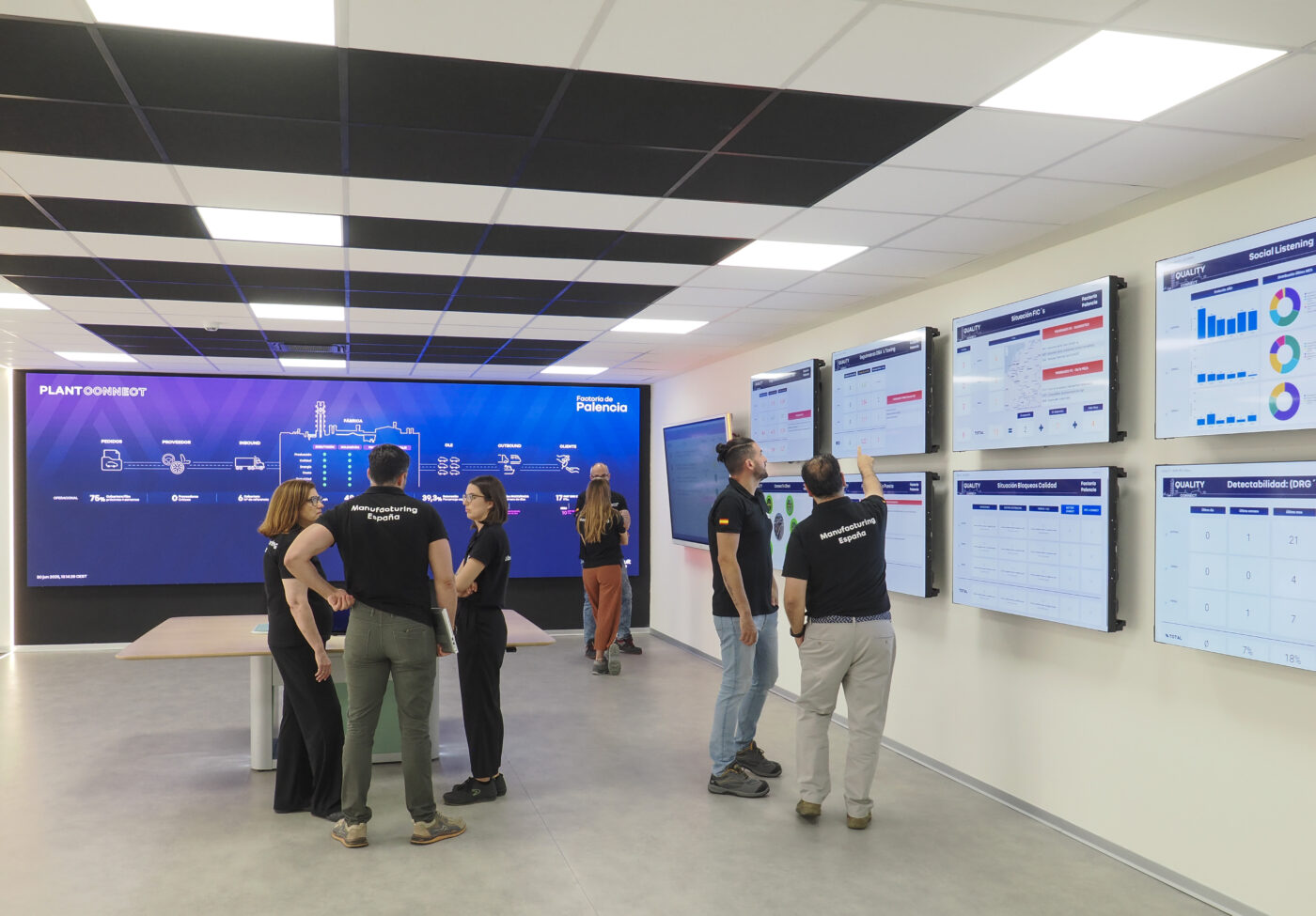
Works networked with each other
On top of this, the corrected door is stored in the so-called metaverse: every screw, every door, every car has a virtual twin. And all 25 Renault plants are networked. This means that instead of poring over Excel spreadsheets, management can see in real time on the monitors: Are we and other plants on schedule? Are parts missing somewhere? Which country has ordered how many Renault 5s today? Where is a Renault in the workshop and why? What's more, the system can not only record errors live, but also anticipate them: If trim Y is missing in plant X for a Captur to be built tomorrow, the AI sounds the alarm and thus provides an opportunity to remedy the problem before it becomes one. «We are now 20 per cent more punctual with deliveries,» says Eric Marchiol, Senior Industry & Quality Digital Officer, emphasizing the increased product quality. But is this worth the 730 million francs Renault has invested in the AI systems it has developed itself and in «Plant Connect»? «People won't buy a car of inferior quality,» says Marchiol.
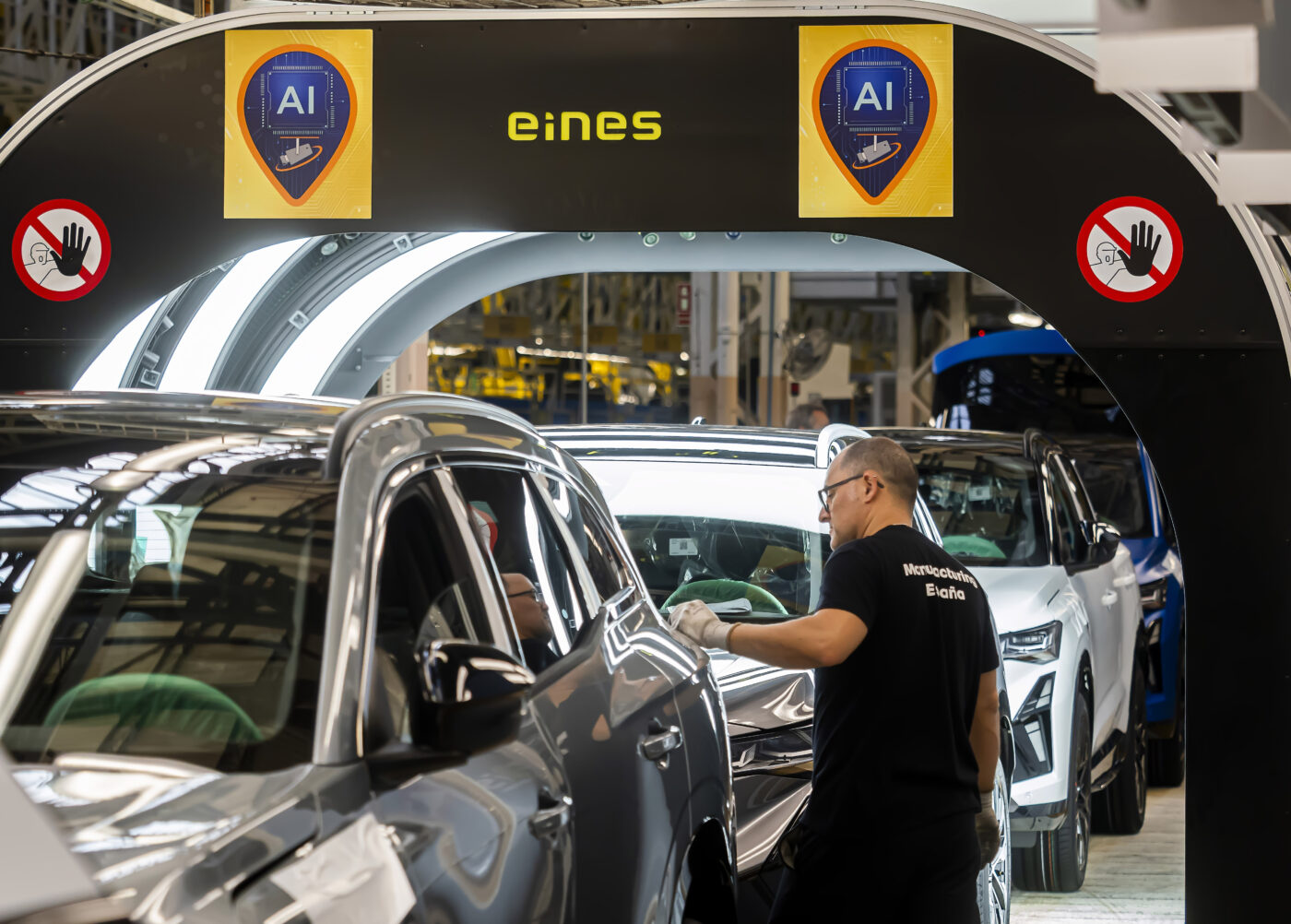 Number of breakdowns halved
The system also identifies potential cost and time savings, for example by reducing the number of parts. A Megane consists of 1080 parts, a Renault 5 already has only 825, and the 2026 Twingo will have 650. At Renault, a car is now developed in two years instead of four and a Renault 5 is built in ten hours. By comparison, other brands need 15 to 25 hours. It's also faster thanks to high-tech. For example, Renault was the first of all the major manufacturers to introduce a new painting process for two-tone paintwork. Previously, bicolor meant: first color, dry, mask, second color. That took hours. Now, on the Renault 4, robots apply two colors side by side in one go with millimeter precision - in six minutes.
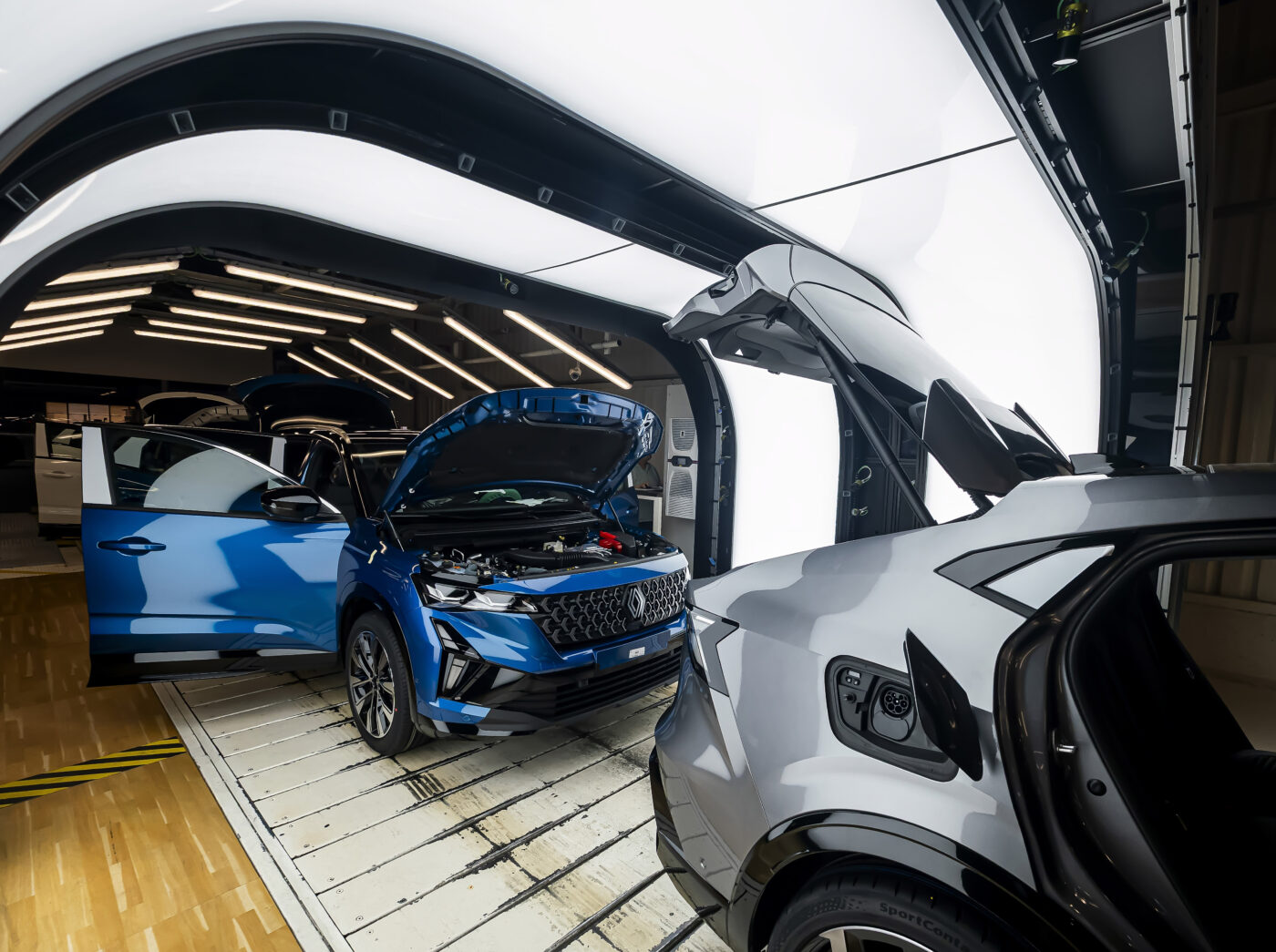 But why all this? To drive away from China. «We have to move quickly, it's a competitive market,» says José-Martin Vega, Industrial Manager of Renault Spain. «We have learned a lot from our Chinese competitors and are working intensively on quality.» Renault admits sympathetically openly: Sensors and AI are not new; China has been doing this for a long time. What is new, however, is the networking of all plants. Warranty claims have halved since then. Or to put it another way: a new Renault has half as many breakdowns.