130 years of Skoda: history on a test drive
To mark Skoda's 130th anniversary, we take a trip through the history of the Czech brand. And fall in love with a rear-engine sports car with almost no power, but full of youthful dreams.


What comes to mind when you think of «the oldest car brands»? Fiat, Ford, Renault? Wrong: Skoda (correctly spelled Škoda) is even older. Laurin & Klement (L&K) was founded 130 years ago, initially building bicycles, then motorcycles, cars in 1905, and was acquired by the Skoda Group in 1925. Hence the name. And we are witnessing firsthand how rich Skoda's history already was before Volkswagen took over in 1990 and Skoda first came onto our radar with hits such as the Octavia.
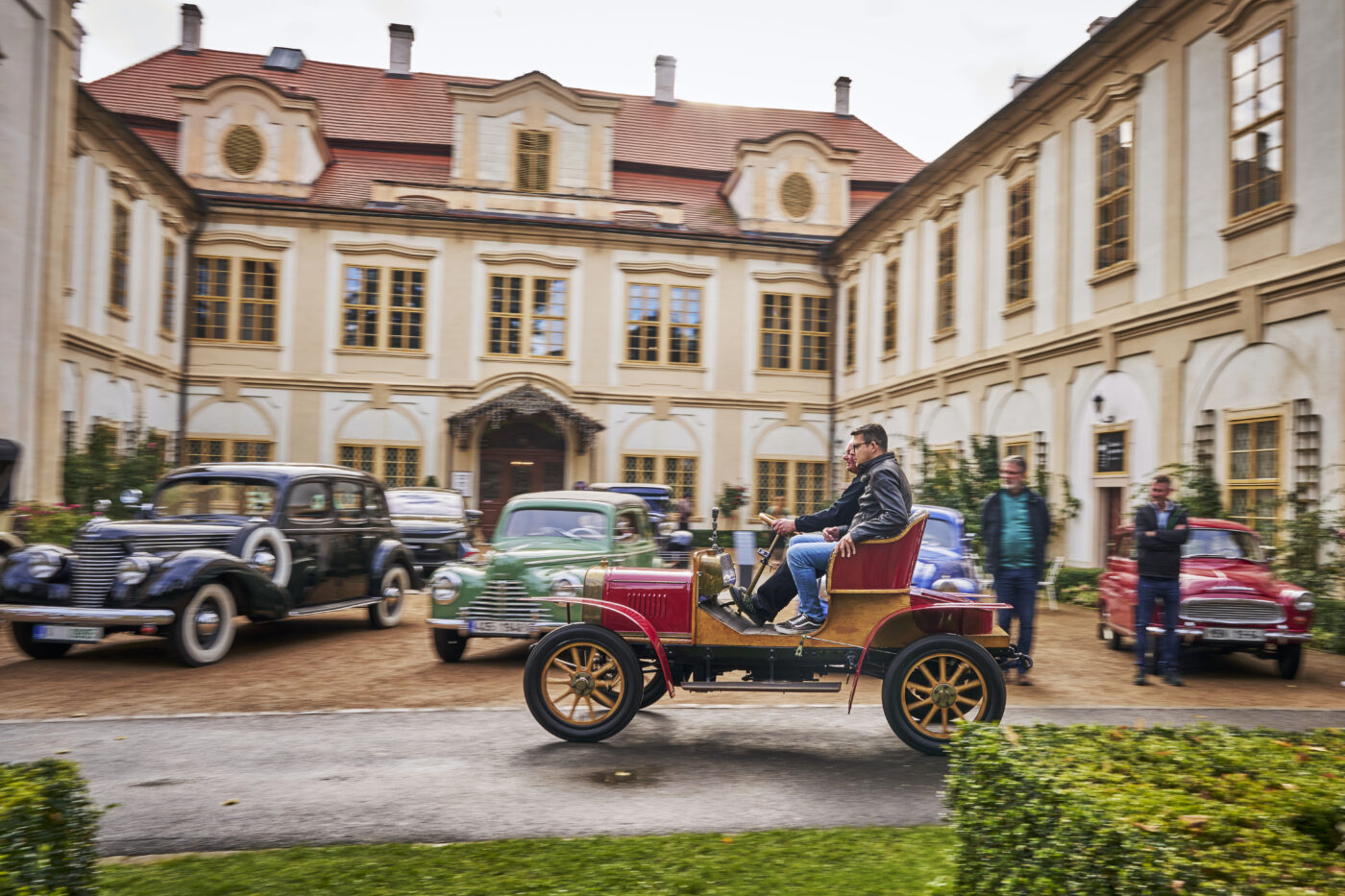
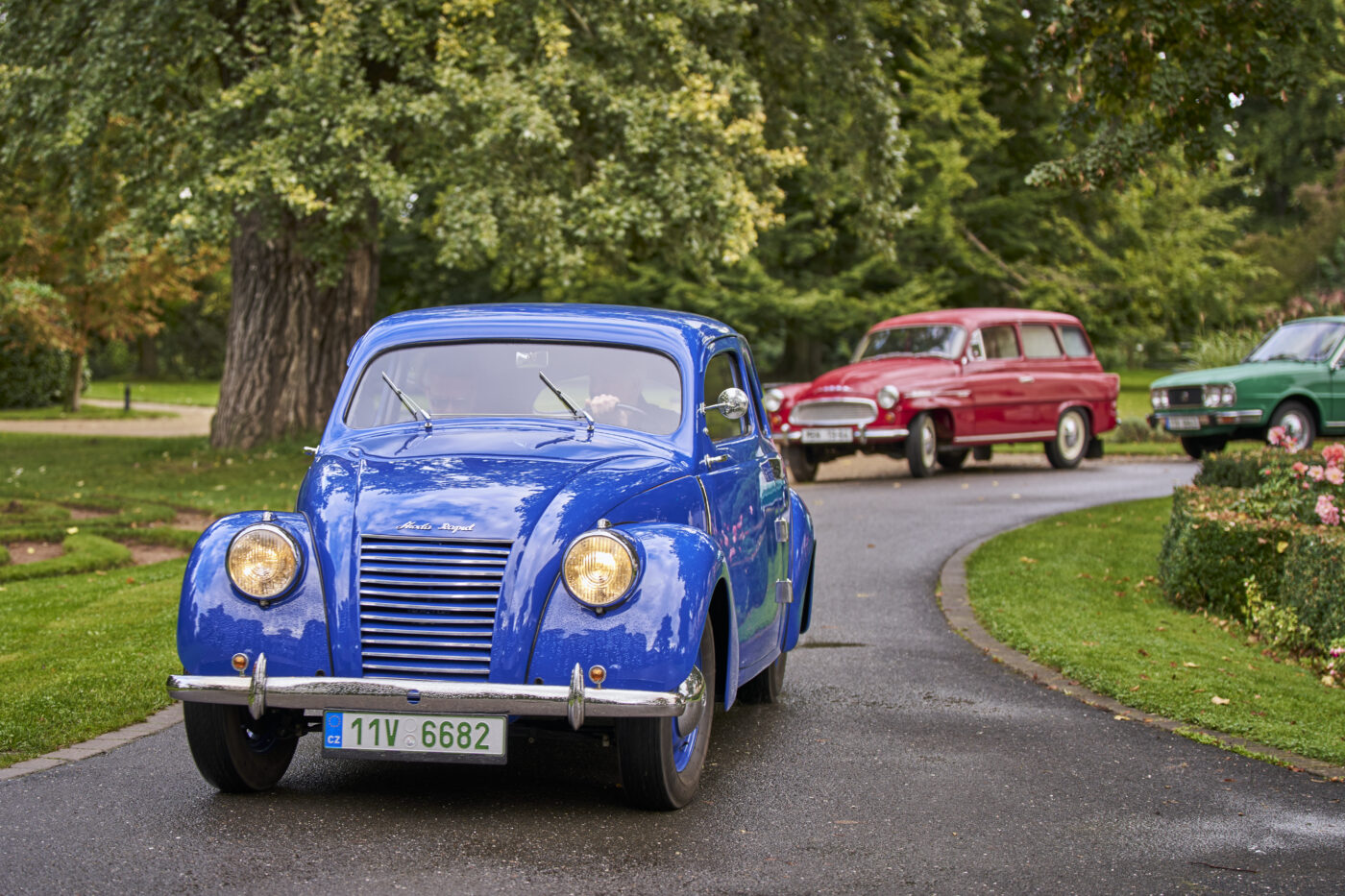
First, we take a ride in the oldest models. We are glad to do so in the huge 1939 Superb 3000 OHV: this giant has no power steering. We sit in the back of the luxury limousine like royalty, snuggle into the sofa, and listen to the 62 kW/85 hp six-cylinder engine at work. Then we take the wheel of a 1940 Skoda Rapid OHV. The «suicide doors» open the wrong way round. We try to soften the crunch of the gear changes with double-declutching and stay on course with bravery: the straight-line stability is reminiscent of rabbits zigzagging.
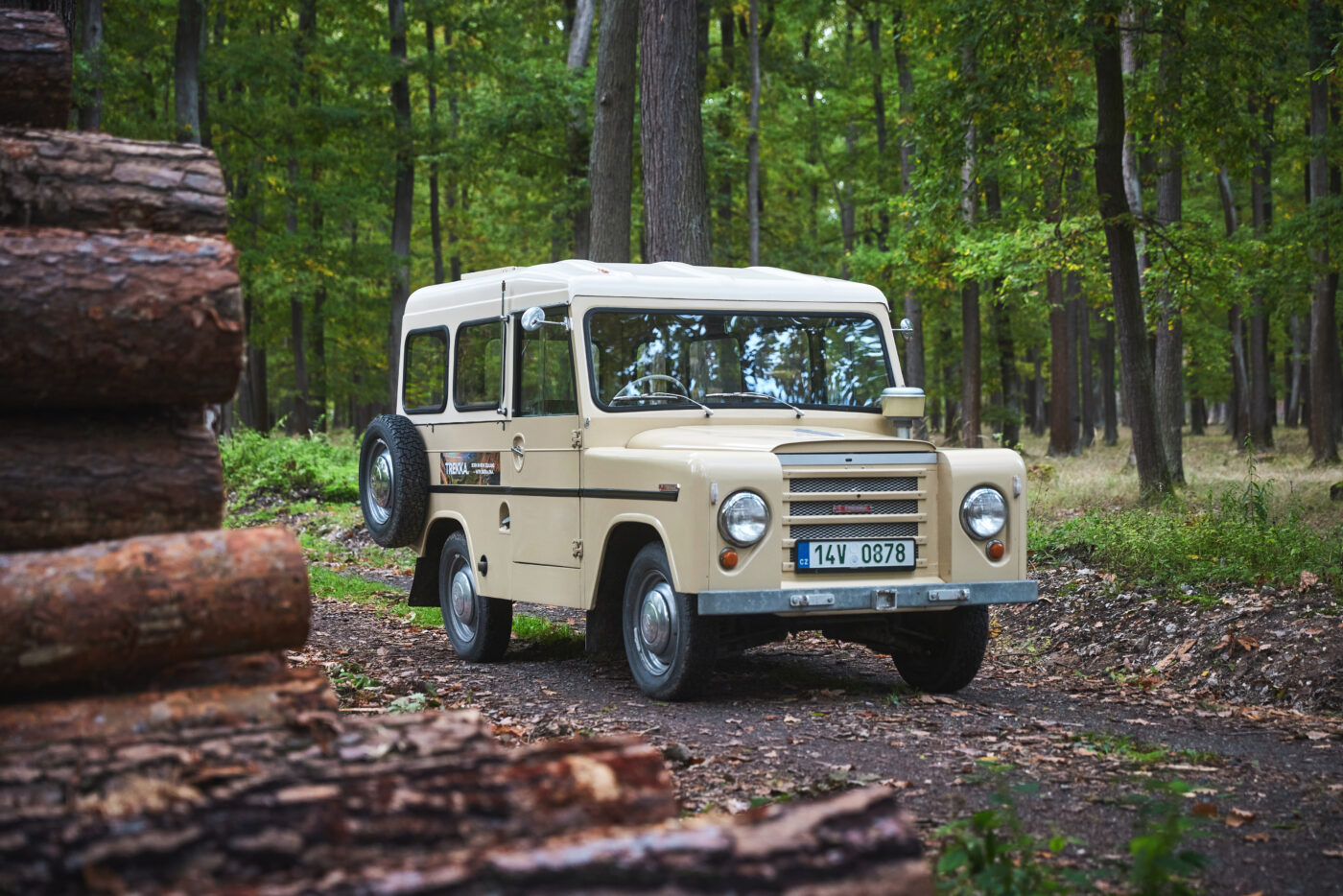
An off-road vehicle for New Zealand
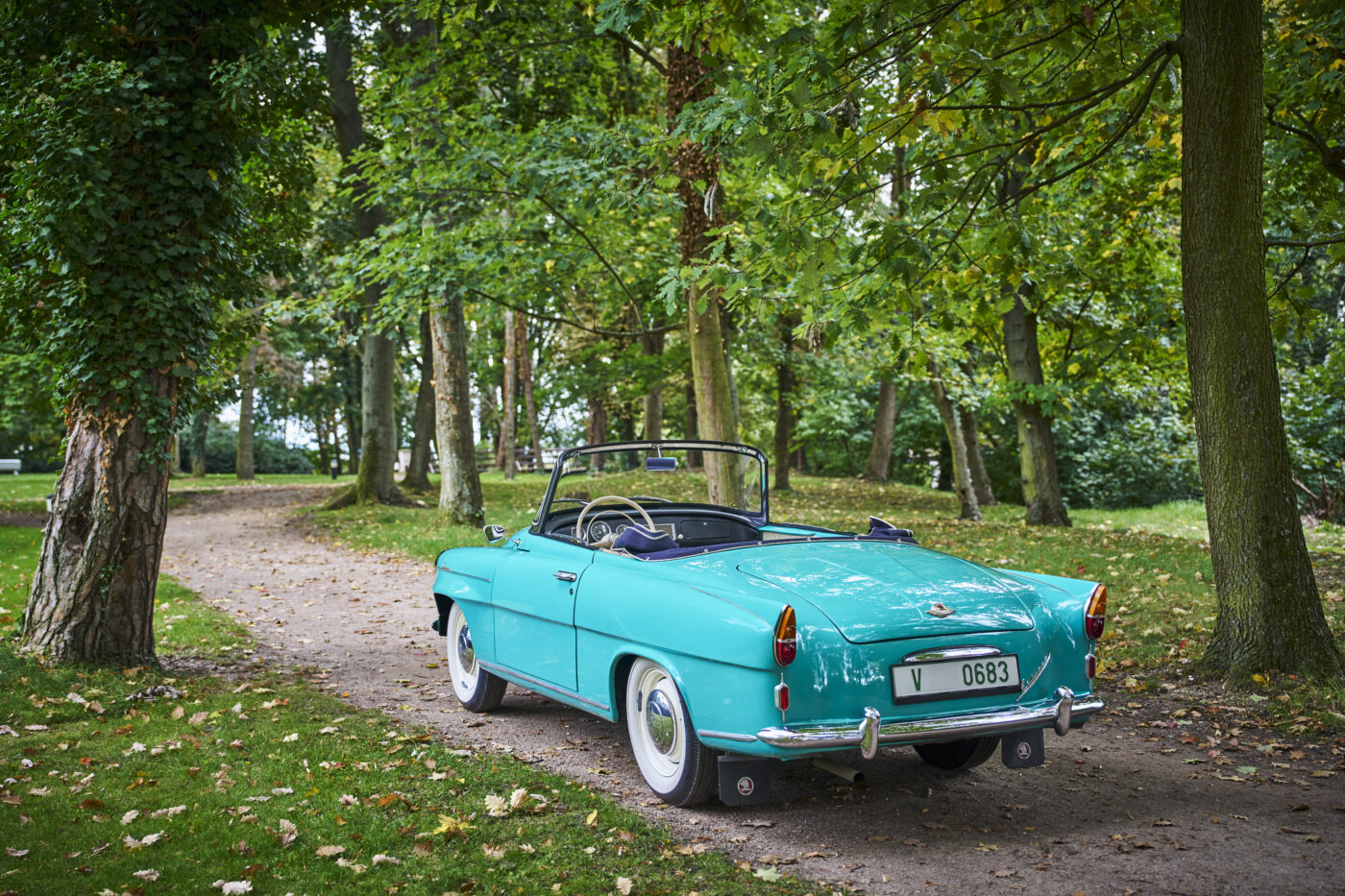
Change of vehicle. The attractive 1957 Felicia convertible is already on the road. So we take the closely related ancestor of the Octavia Combi. The 1964 Octavia Combi jolts along with its rear axle due to lack of load, but spoils us with its contemporary dashboard beneath tiny windows. Pretty – the Octavia already had something back then. Change to the Trekka. The what, please? The off-road vehicle built for New Zealand from 1966 onwards has rifle mounts, the design of a brick, and the driving feel of a truck. Fascinating what was available back then.
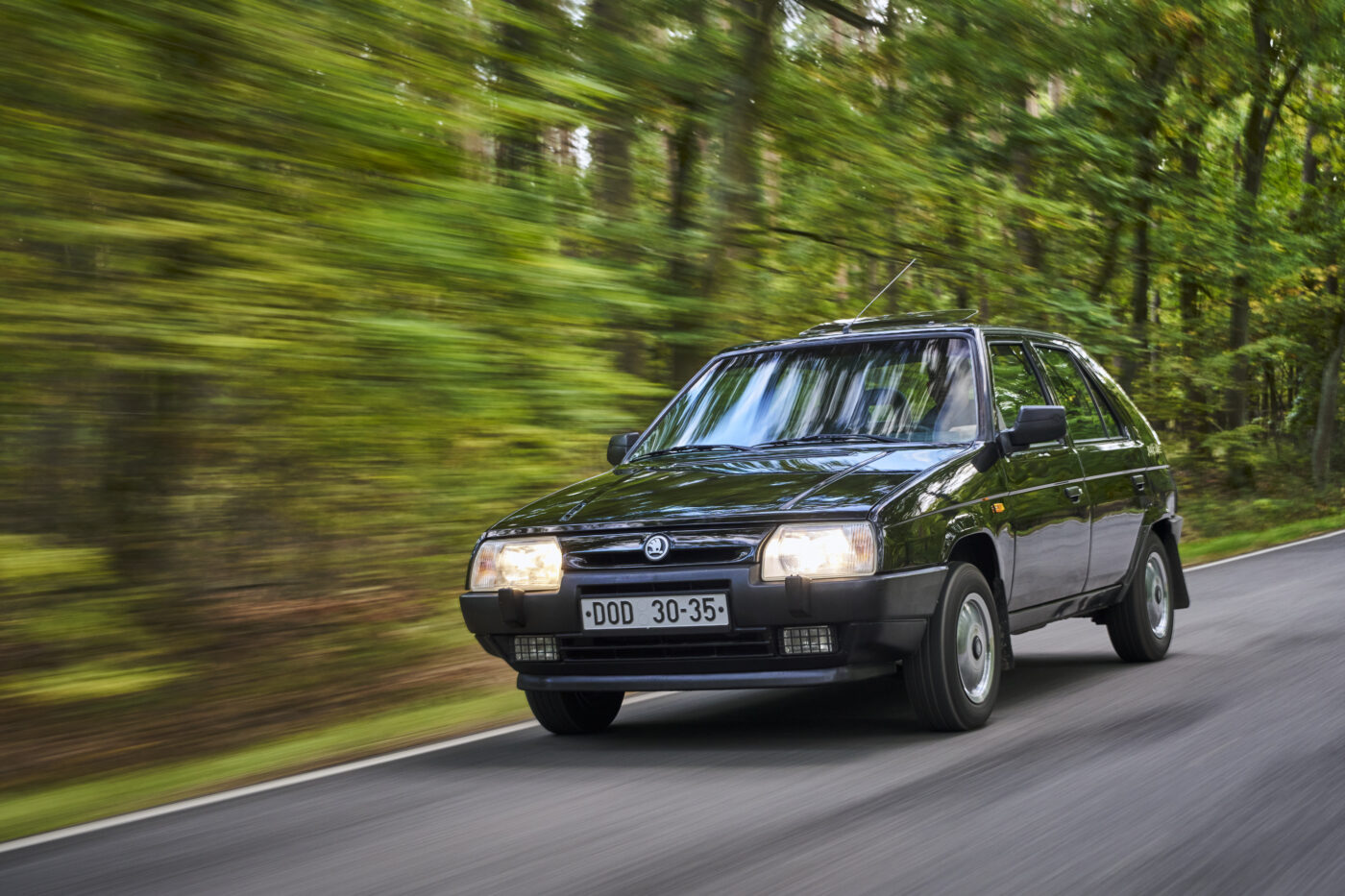
Let's try the modern era. The Favorit, built from 1987 onwards, was the last new development without VW and a sales hit. We drive the special «Black Line» model with a top-of-the-range engine (1.3 liters, 50 kW/68 hp) and prestigious features such as a sunroof, dazzlingly colorful upholstery, and tiny, amusing 13-inch alloy wheels. We are amazed: small, light, nimble, and still perfectly suitable for everyday use.
 «Eastern Bloc Porsche» puts you in a good mood
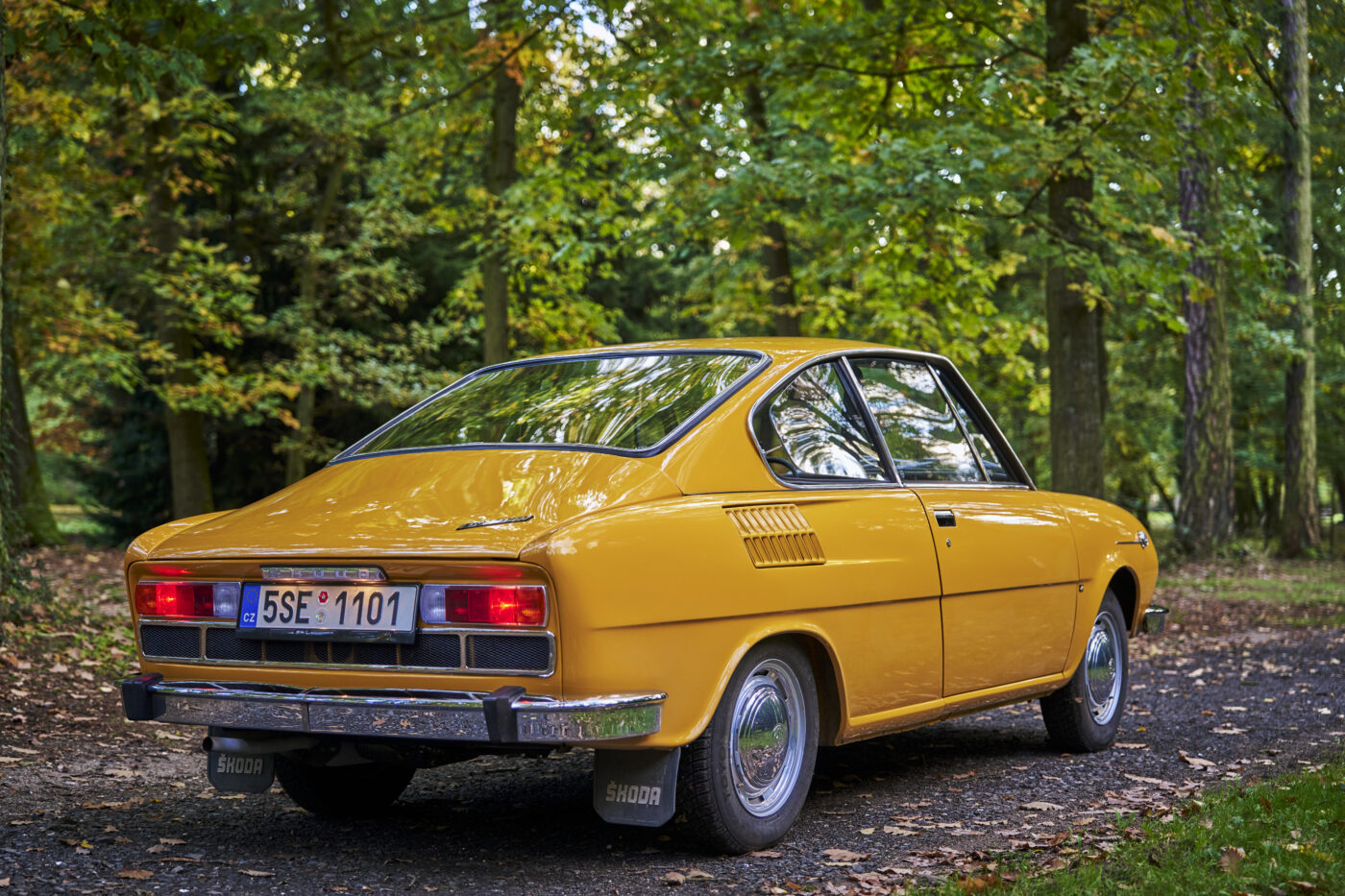
But our favorite isn't the favorite. The 1971 110 R was once the dream car of young people in the suburbs of Prague. This example of the rear-engine coupé had 11,000 kilometers on the clock when its first owner traded it in for a new Fabia a few years ago! The 110 R sounds cheeky and, thanks to its weight of only 800 kilograms, is much faster than you would expect from 38 kW/52 hp.
If only it had seats with lateral support. A Skoda employee says laconically: «There was just one type of seat, and it was installed everywhere—airplanes, trains, cars.» Nevertheless: I want one! Just like many people today want a Skoda: Skoda is now the third best-selling brand in Europe.