Comparison test: Which electric cars excel in the cold
Range, consumption and charging power determine the suitability of electric cars for traveling at low temperatures. A TCS test shows which models perform well in winter - and which lose ground.


We've probably all been annoyed by this at some point: as soon as the temperature drops, electronic devices soon suffer - whether smartphones, laptops or cameras. It's no different with electric cars. The WLTP range specified by the manufacturer quickly loses its significance in winter. The TCS has therefore investigated the actual impact of cold weather and continuous load. The results show: Not all electric cars get through the winter equally well.
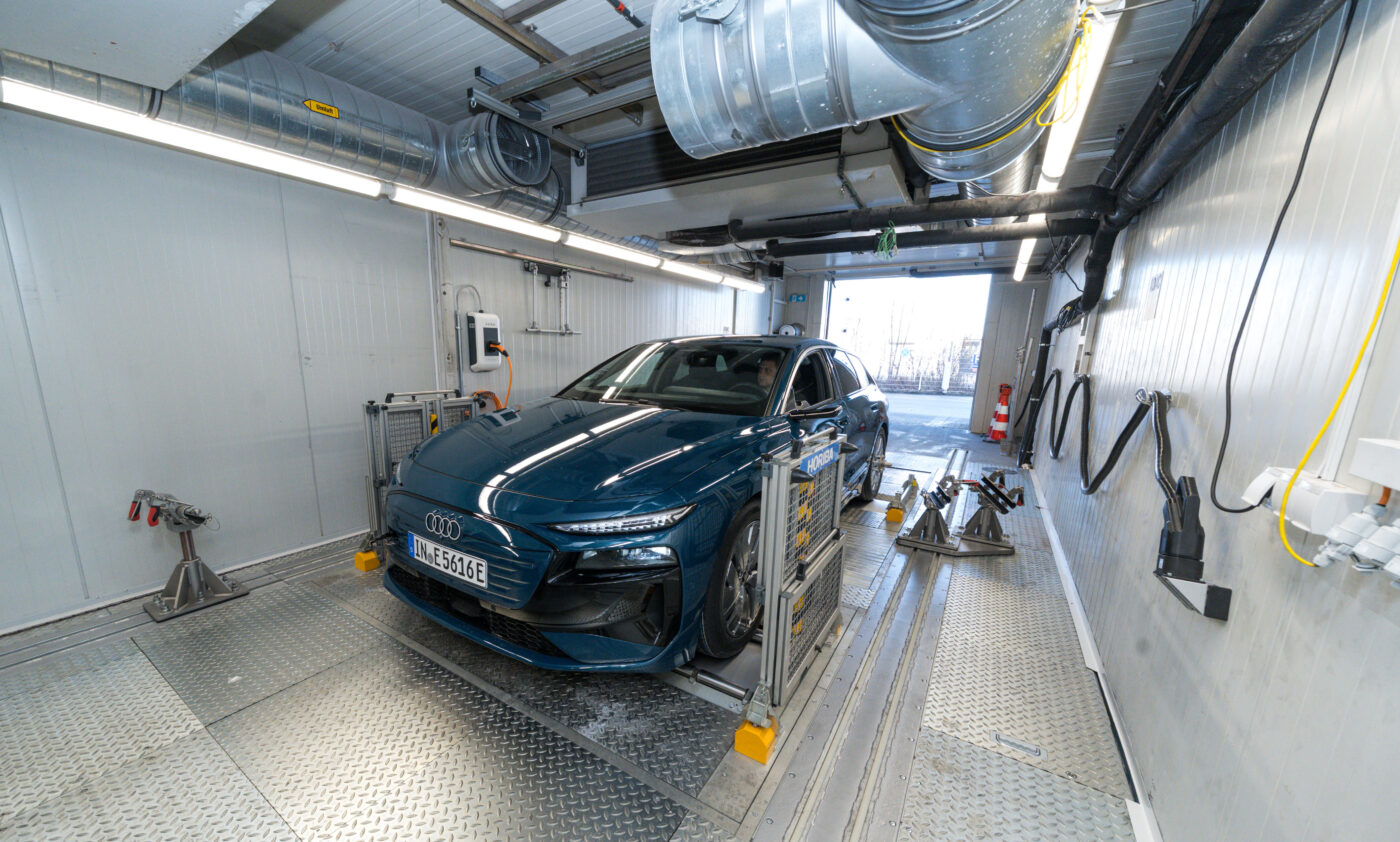
Fourteen family-friendly electric cars from just as many brands were compared, all of which have a WLTP range of at least 500 kilometers according to the data sheet. In order to simulate realistic conditions, the TCS experts simulated around 580 kilometers of freeway driving on a test bench at temperatures close to 0 degrees Celsius, including topography, changing speeds and traffic conditions - factors that generally influence energy requirements and are particularly noticeable in winter.
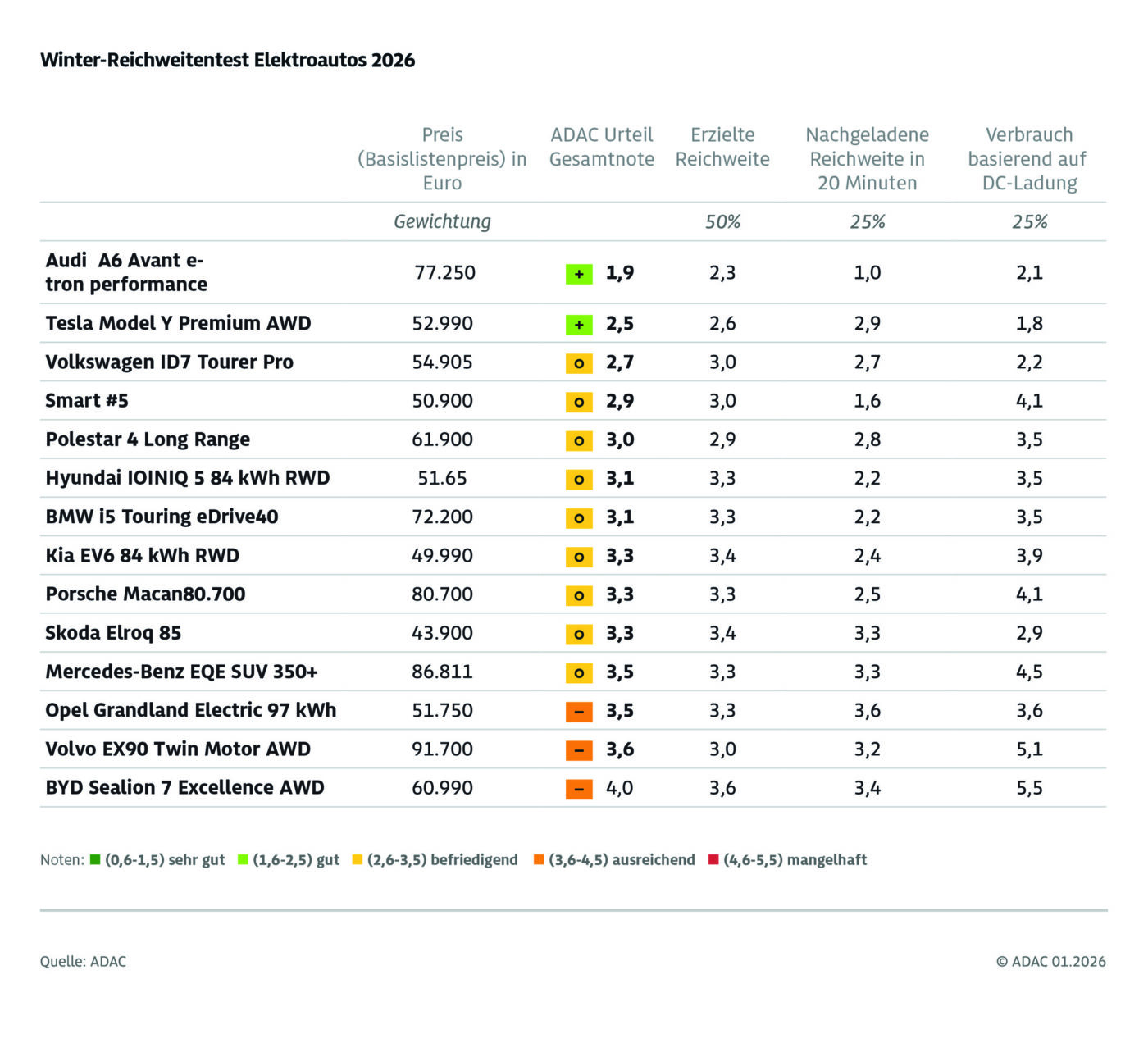
It was not a single peak value that was evaluated, but the combination of three criteria: actual range achieved, range recharged in 20 minutes and energy consumption. Only this combination shows how suitable an electric car really is for long-distance driving in winter - and how much the WLTP figures are put into perspective in practice.
 Efficiency beats battery size
The overall winner was the Audi A6 Avant e-tron performance, which covered 441 kilometers on a single charge and only needed a single charging stop on the entire test route. At the bottom end of the table are models with a significantly shorter range. The Volvo EX90 Twin Motor AWD occupies the penultimate position, undercut only by the BYD Sealion 7 Excellence AWD, which despite its large battery capacity had a range of less than 300 kilometers - a clear disadvantage on longer journeys.
A key factor for the range deviations is consumption. The Tesla Model Y was particularly efficient with 22.2 kWh/100 km, followed by the Audi A6 Avant e-tron performance with 23.2 kWh/100 km. High consumption values, on the other hand, had a clearly negative effect: The Volvo EX90 was at 31.6 kWh/100 km, the BYD Sealion 7 even over 35 kWh/100 km. This significantly reduces the usable range, especially in winter.
 800-volt technology with advantages
On long journeys, fast charging becomes a decisive factor in shortening the journey time. Vehicles with 800-volt technology, such as the Audi A6 Avant e-tron performance, can of course recharge a particularly long range in a short time. In principle, 800-volt batteries are what make charging capacities beyond 250 kW possible in the first place. At 800 volts, the thermal loss during charging is also significantly lower at around 3 percent compared to charging under high load at 400 volts, where the loss can be around 11 percent.
In addition, the CCS fast-charging plugs are designed for 500 amps continuous current and 600 amps as a short-term peak. This means that the charging capacity in 400-volt systems reaches a natural limit of between 200 and 240 kW. The future therefore certainly lies in 800-volt technology. However, the TCS winter test shows that strong results are also possible without this architecture - thanks to high efficiency and good charging performance, for example with the Tesla Model Y or the Volkswagen ID.7 Tourer Pro.