Dacia Duster 4×4 Hybrid: Surprising innovation carrier
The new Dacia Duster features an electrically driven rear axle for the first time. The practical test shows how far Dacia has come in the last 15 years.


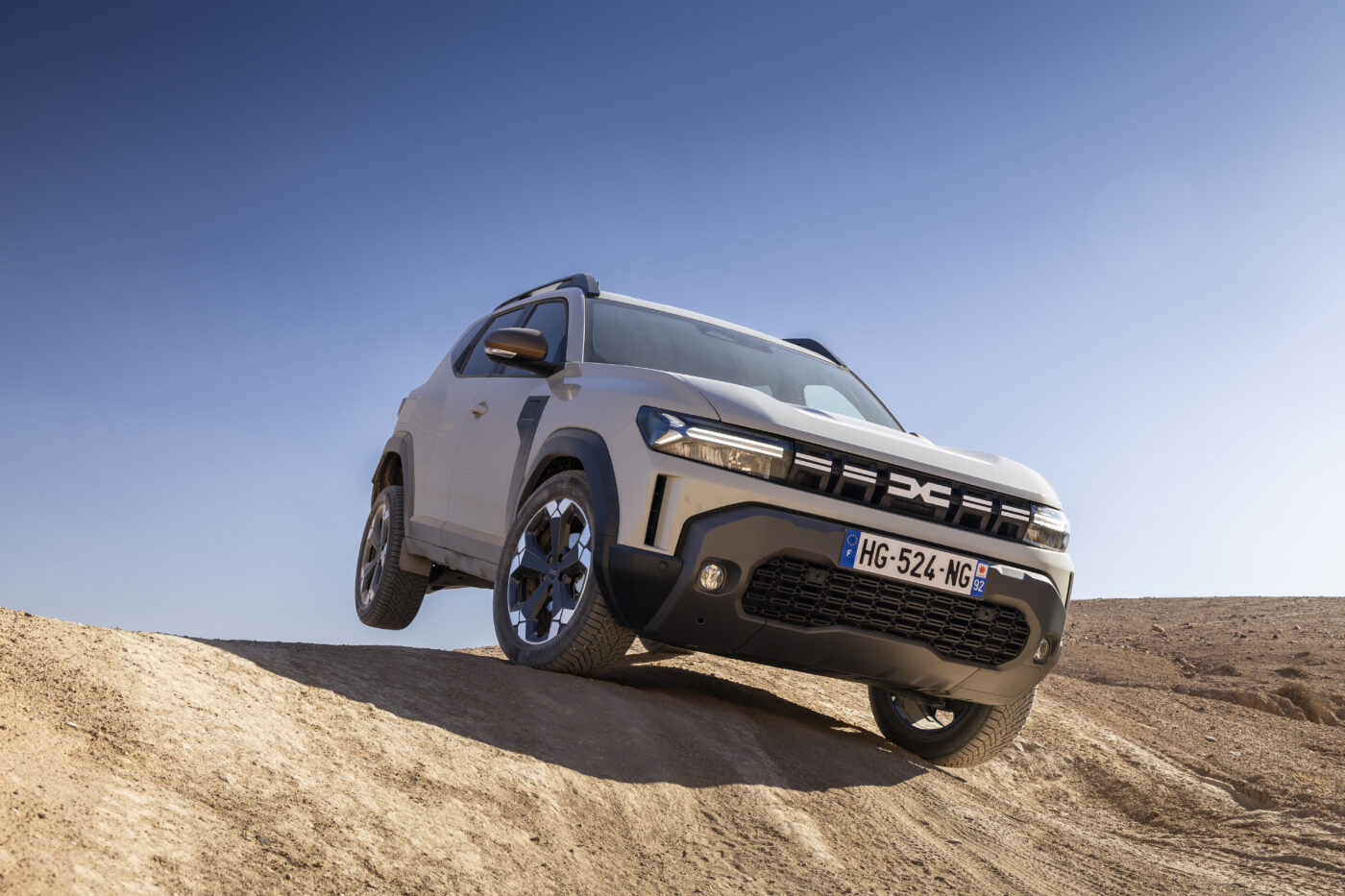
Since its market launch in 2010, the Duster has made a name for itself as a solid, affordable all-wheel drive vehicle. The third generation remains true to this claim, but takes a new technical direction. In combination with the automatic transmission, the Duster 4×4 uses an electrically driven rear axle for the first time. The electric motor is connected to the wheels via a two-speed gearbox developed by Dacia itself.
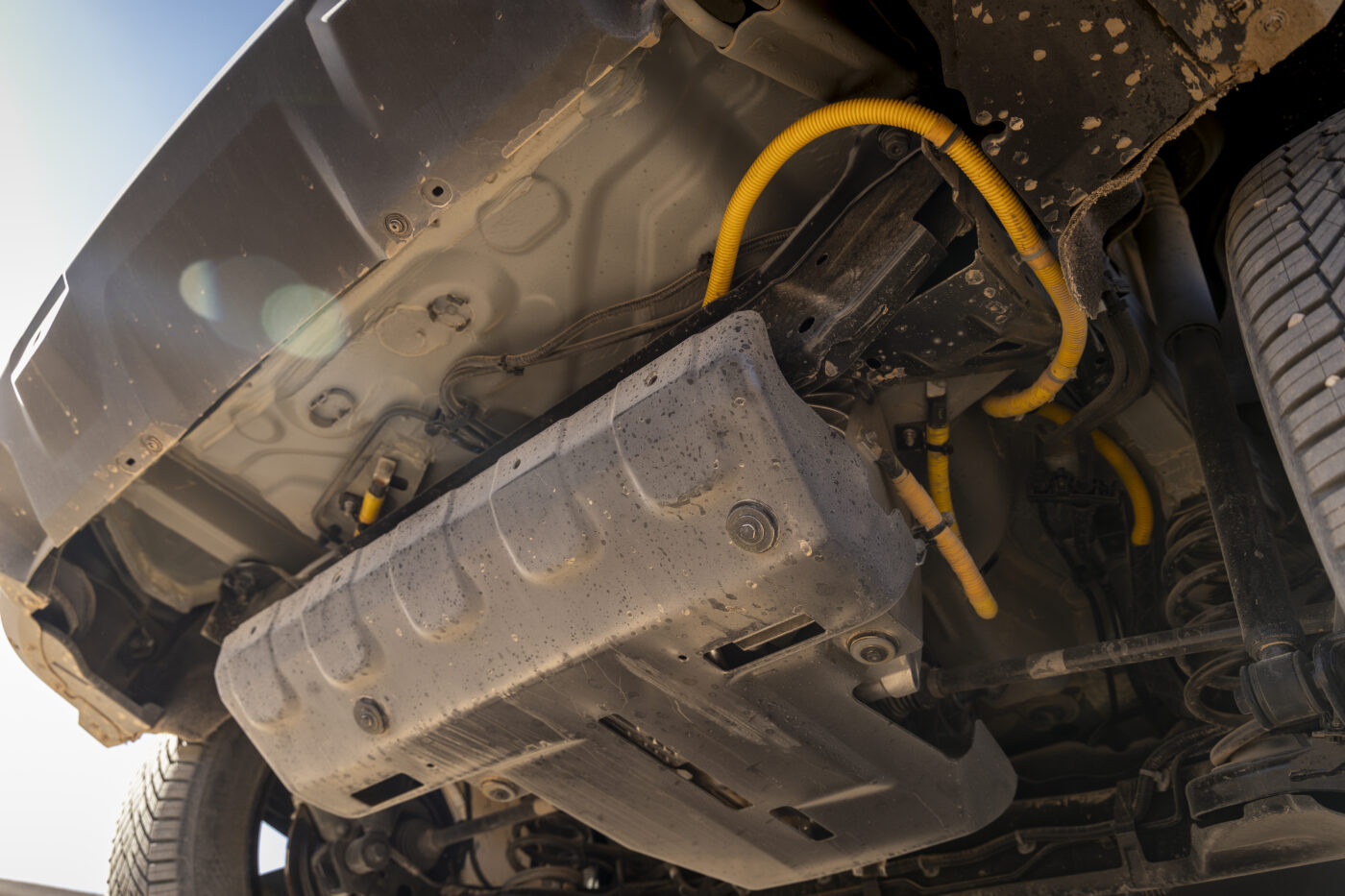
In the field shows how the system works. In the «Sand/Mud» and «Lock» drive programs, the electric motor uses a short first gear ratio. This provides a noticeable increase in torque when starting off and makes it easier to tackle steep passages. On gravel, sand and washed-out tracks, the Duster is surprisingly confident. At the same time, it is clear that the Duster is not intended to be an uncompromising off-roader.
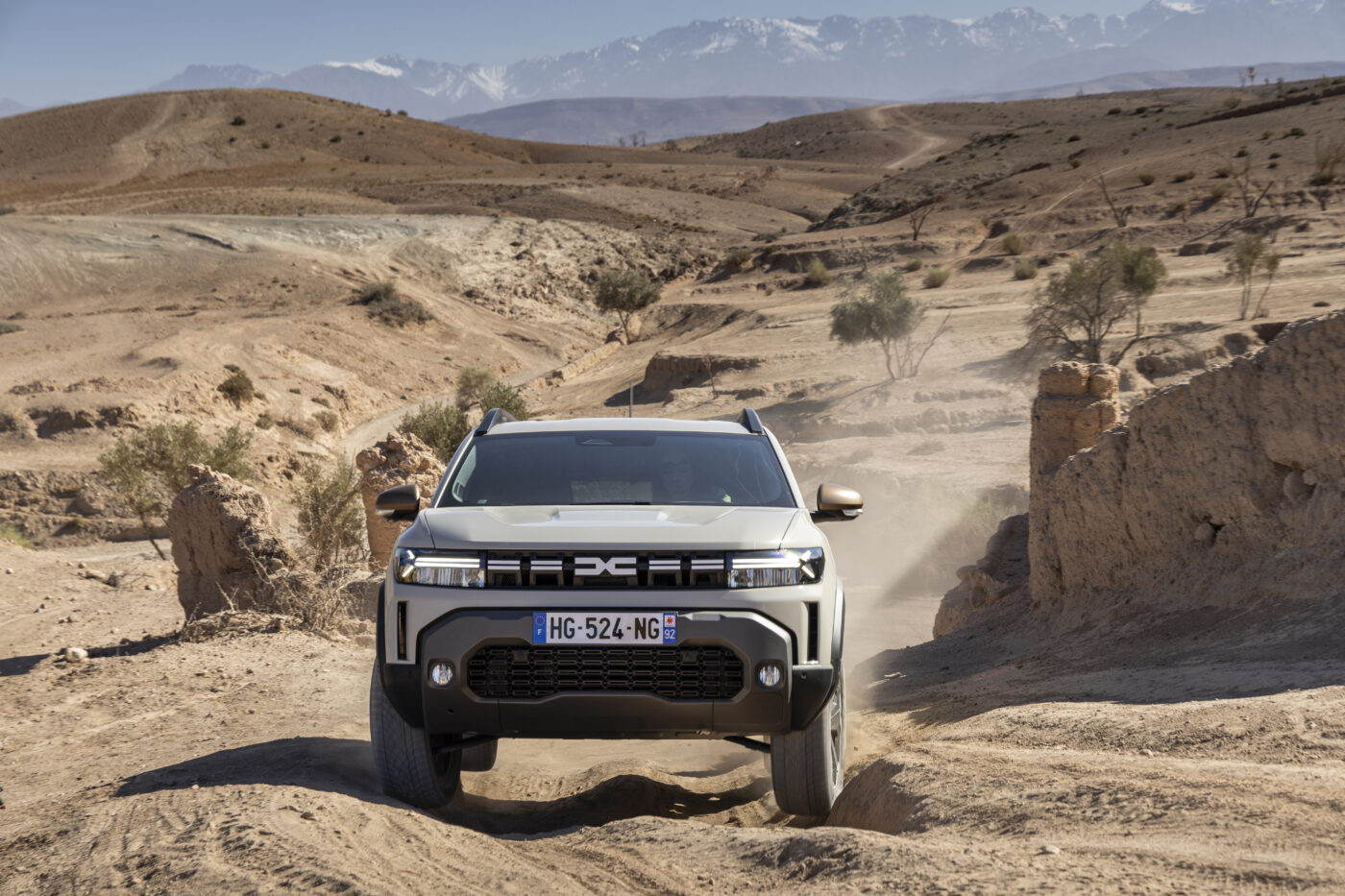 «The Duster is an SUV, not an off-road vehicle,» says Chief Engineer Gerald Peters. This is particularly evident in the so-called «Lock» mode. What means mechanical differential locks in real off-road vehicles is software-controlled here. If the vehicle gets into a situation in which two diagonally opposite wheels lose grip, the traction control reaches its control limit and the vehicle comes to a standstill.
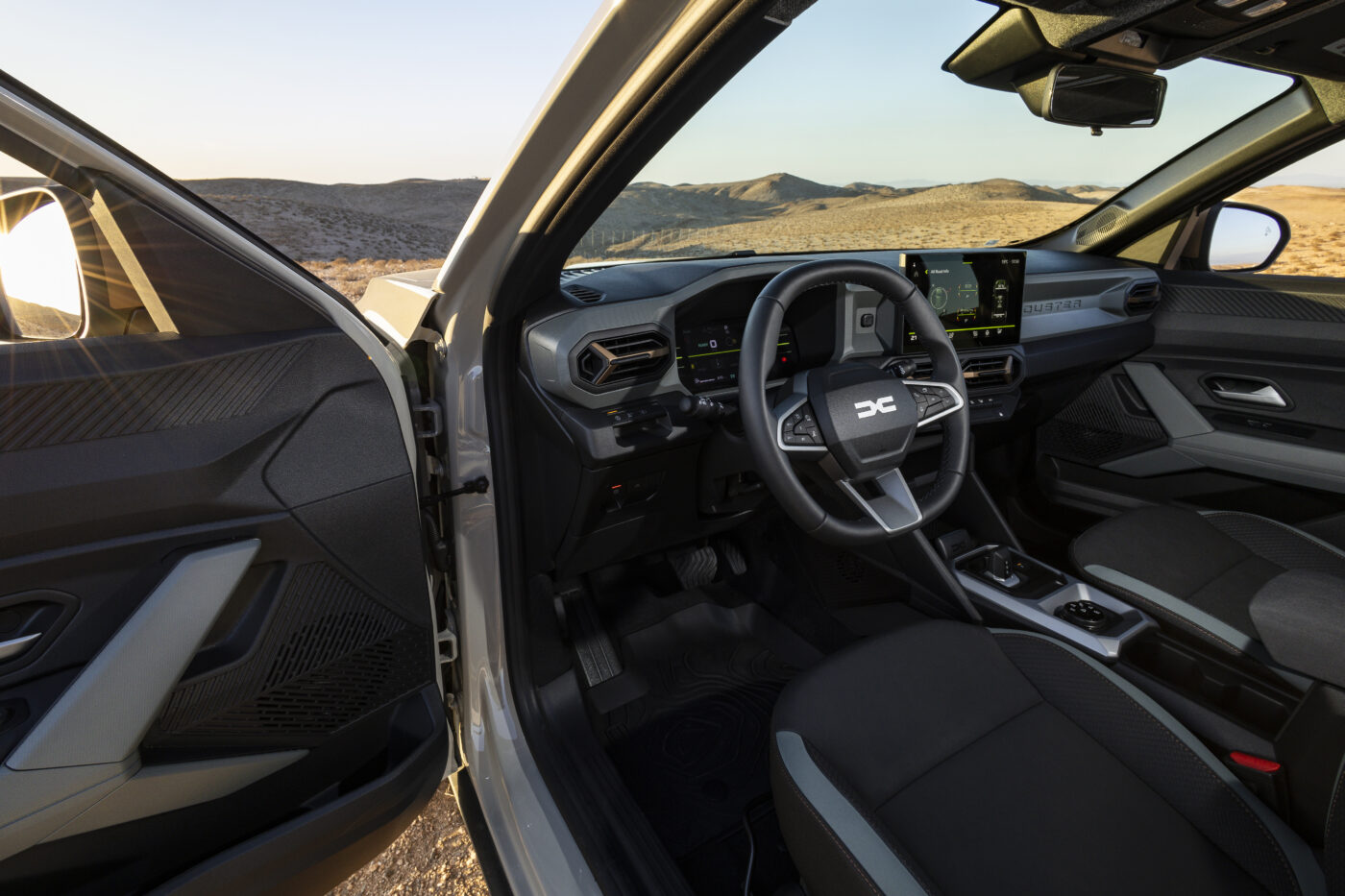 In normal use this hardly plays a role. In Europe, the Duster is mainly driven on asphalt, gravel or winter side roads. This is exactly what the «Auto» and «Eco» modes are designed for. Here, the rear axle transmission starts in second gear as standard, which saves energy. Even in «Snow» mode, it remains in second gear to prevent the wheels from spinning on snow and ice.
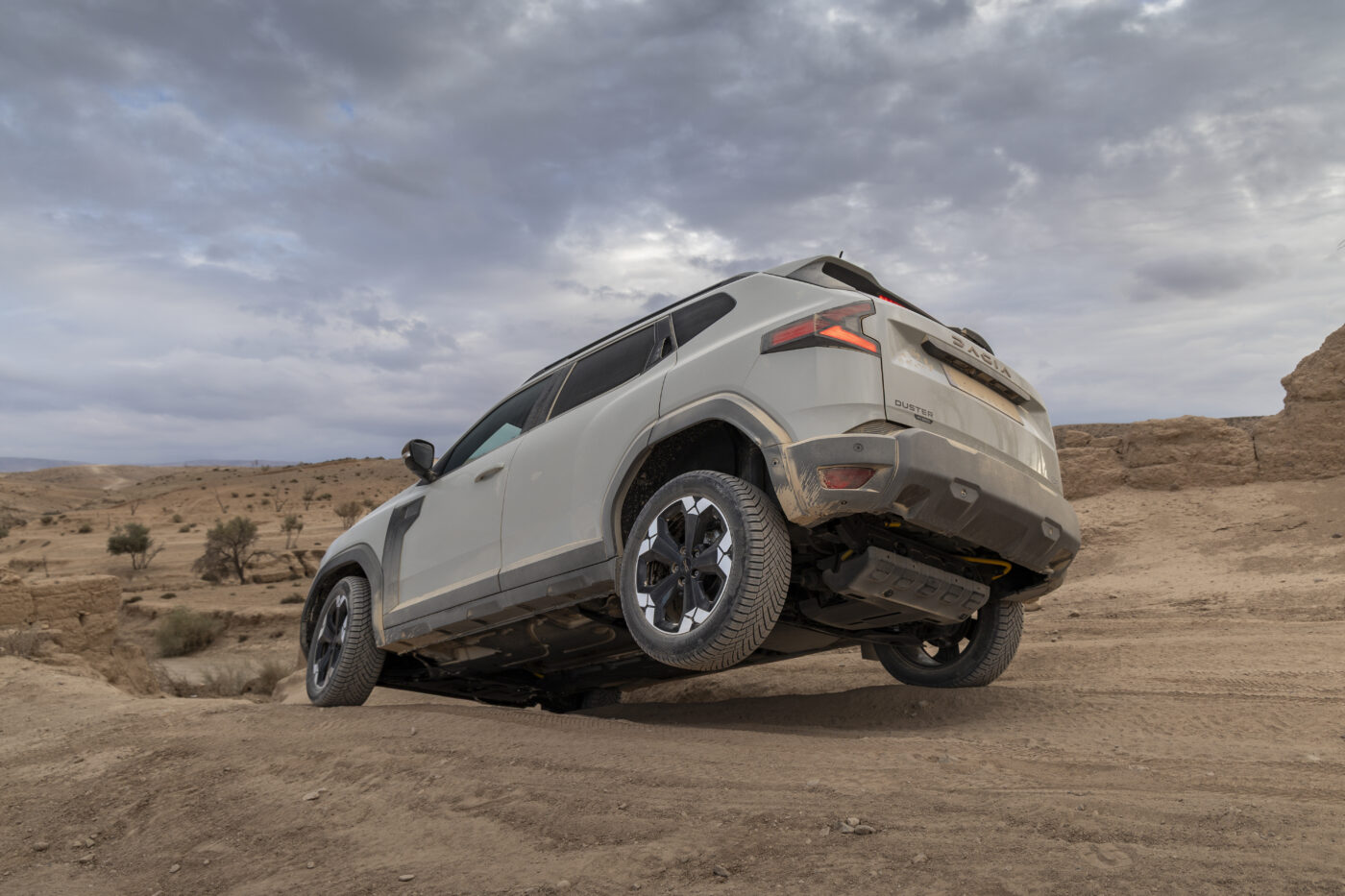 The overall concept is impressive. If the all-wheel drive is not required, the electric motor on the rear axle is completely decoupled and the 1.2-liter petrol engine can even be switched off when the load is low, so that the Duster moves purely electrically.
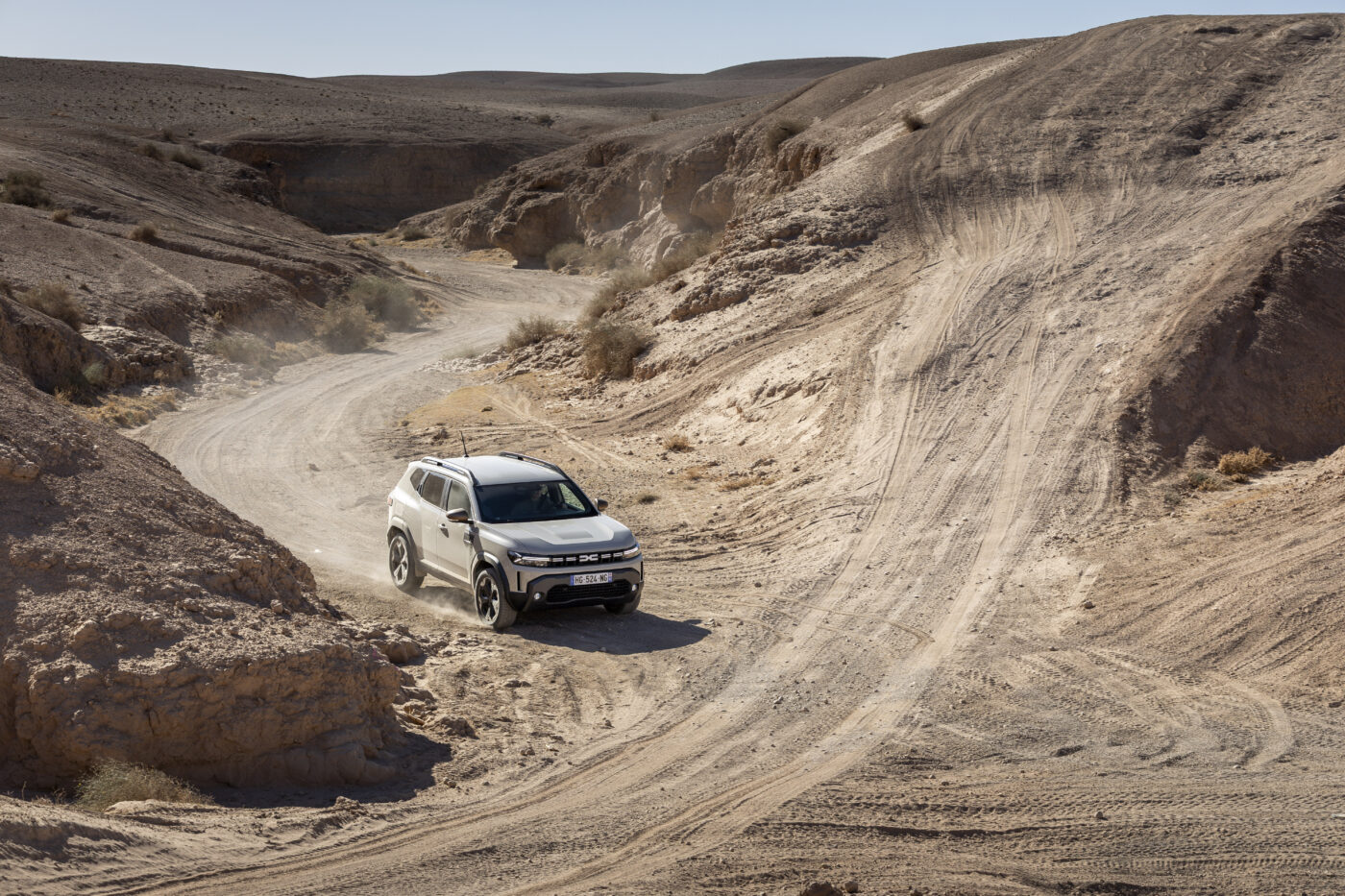
At market launch, the new all-wheel drive system is only available with LPG drive, which remains a marginal phenomenon in this country. A version with a pure petrol hybrid has been announced, as has the use of the technology in the Bigster. Those who want to opt for mechanical all-wheel drive will still find what they are looking for - but only in conjunction with the manual gearbox. It remains to be seen whether Renault will adopt the solution developed by Dacia in the future. One thing is certain: The days when Dacia was simply a cheap recycler of existing technology are over.