Money-saving tips: Already keeping your consumption under control?
New drive systems and special driving modes now ensure efficient driving in cars. However, the person behind the wheel remains primarily responsible for minimizing fuel consumption.


Energy consumption while driving plays a key role in keeping the operating costs of a car low. For drivers, this means driving as predictably and relaxed as possible! The vehicle itself must also contribute to minimal energy consumption by being optimally prepared for the journey in terms of equipment, weight, and aerodynamics, among other things.
So only carry the essentials in the trunk. And if you can't do without a roof box, it should offer as little resistance to the wind as possible. Of course, this also applies to electric cars, whose weight is already high due to their system design and should not be increased further.
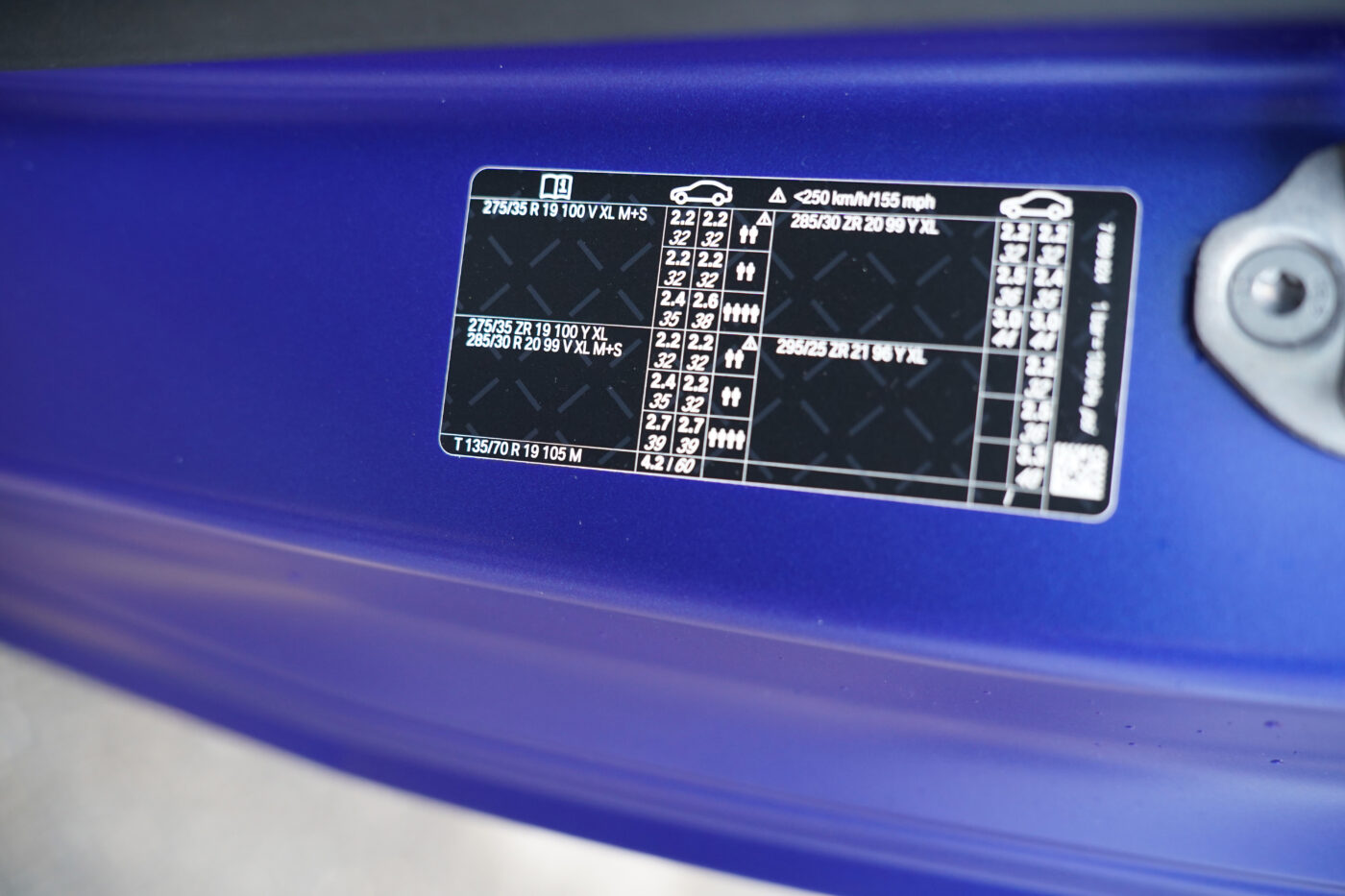
tire question
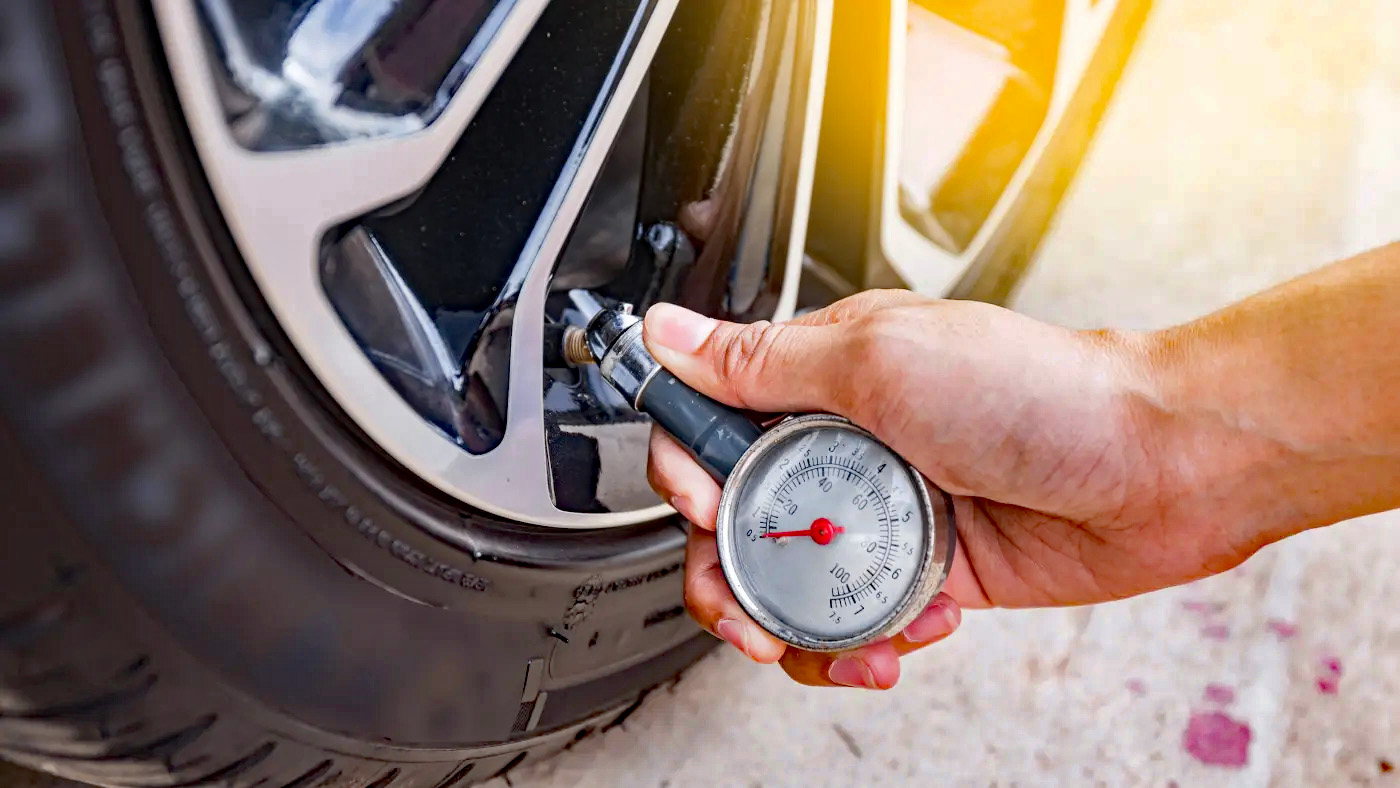
Tires also affect fuel consumption. In addition to characteristics that cannot be influenced, such as tread pattern and rubber compound, tire pressure plays a very important role in driving safety and fuel consumption. As a general rule, the tire pressure specifications provided by the vehicle manufacturer should be observed. Too low a pressure increases rolling resistance and thus fuel consumption! For journeys with a full load, the pressure should therefore be increased by 0.2 to 0.4 bar, especially if a longer motorway journey is planned.
Consumption is driven up significantly by short-distance driving. Before the combustion engine reaches operating temperature, its consumption, even for small-volume engines, is often more than 20 liters per 100 kilometers. Electric cars have a major advantage here, as the warm-up phase of the motor is hardly a factor.
Accelerator pedal or drive pedal
When it comes to the accelerator pedal, which is one of the most important factors determining consumption, restraint is key. Minimizing consumption also means driving with foresight. Rapid acceleration and abrupt braking are also a no-go. The lightning-fast start at traffic lights, which EV users love so much, is poison for both power consumption and tire life.
Conventionally powered cars with manual transmissions have become rare today, so there is almost no need to mention driving at the lowest possible speed. Modern automatic transmissions are usually controlled in such a way that they select the gears for low-consumption driving in every driving situation – when Eco mode is selected. The use of cruise control also proves to be beneficial for fuel consumption. If you are not in a particular hurry on the highway, you can even set it to 100 km/h to save significantly more energy while driving.