Polestar CEO Michael Lohscheller: «We will never make hybrids.»
During a brief visit to Zurich, Polestar CEO Michael Lohscheller (57) gives an interview to Autosprint. The German previously worked for Mitsubishi, Nikola, and VW, and was most notably the head of Opel. Since fall 2024, he has been leading the former Volvo sports subsidiary and electric brand Polestar.


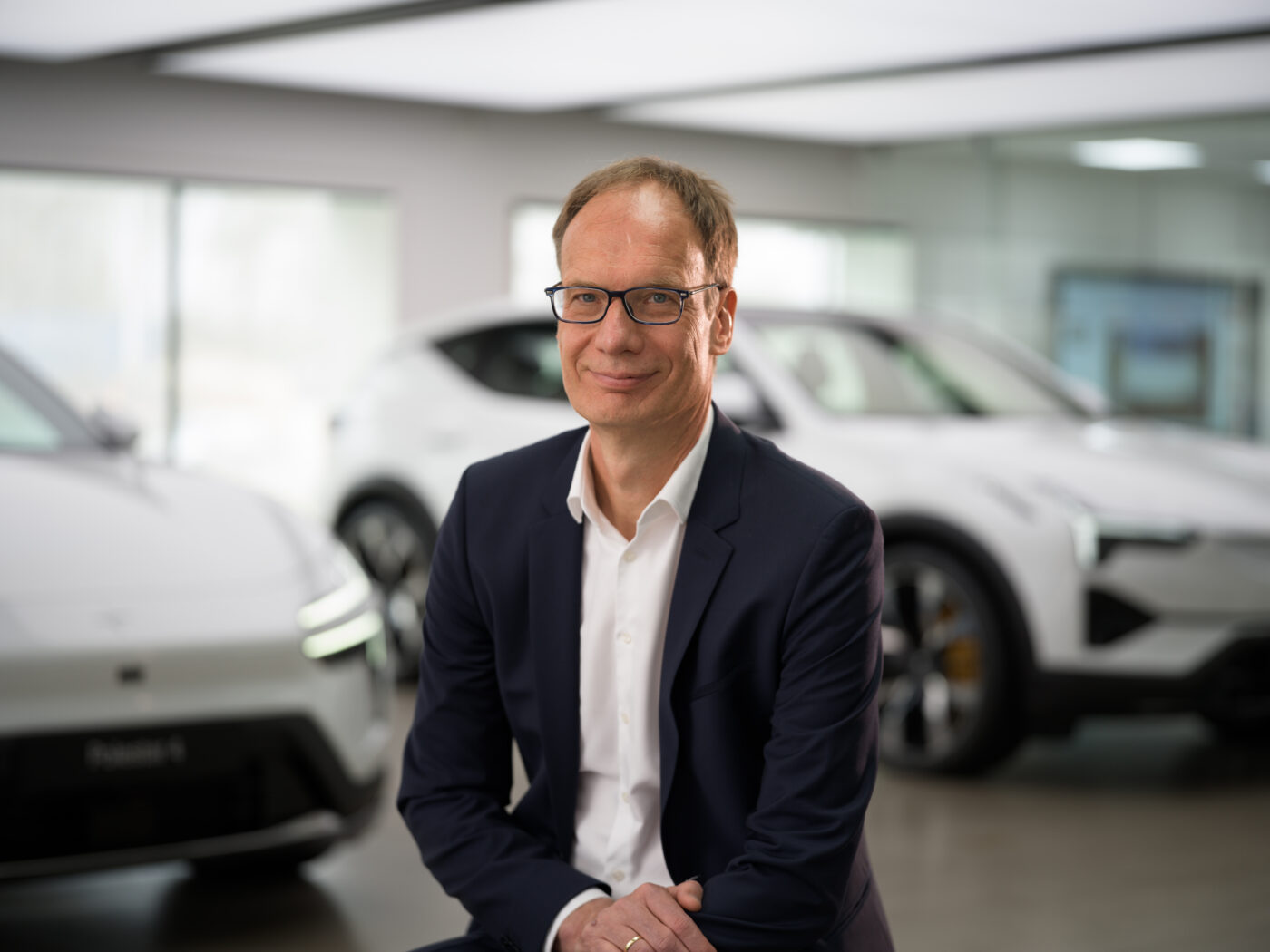
Mr. Lohscheller, what brings you, as CEO of Polestar, to Polestar Switzerland for a flying visit?
Michael Lohscheller: I am here because Switzerland is important to us. Our products are very well suited to this premium market with a high proportion of four-wheel drive vehicles: we have grown by almost 100 percent compared to last year! And it's great to get to know the team in person.
It is often said that Switzerland is a premium test market: if it works here, it will work everywhere.
I wouldn't call it a test market. But it is an established premium market. And it's true: if we see that it works here, then we know that it will work elsewhere too. What's different here compared to elsewhere is that proximity to retailers is even more important. Switzerland has fewer customers per retailer than other markets. That's perfect, because we want to expand our retailer network.
Initially, Polestar focused on online sales. Why are you returning to the dealer model?
Buying a car is a matter of trust. You want to get quotes and know who will be providing the service. There are certainly people who want to do everything online. We set that up, but it wasn't a resounding success. So I changed that. We need more locations—not thousands, but a good number. I believe that's even more important than new models.

Tell us your goals for the dealer network—and what are your top markets?
We currently have 179 dealers worldwide and want to reach 300. In Switzerland, we have increased from four to six, and by the end of 2025 there will be nine – all Volvo dealers. Sixteen would then be a number that suits us. The UK is the largest market, followed by Sweden and Germany.
The former Volvo sports brand Polestar belongs to Geely from China, as do Volvo, Zeekr, and Lotus. Although they plan to produce the Polestar 7 in Slovakia, Polestar mainly manufactures in China. Is Polestar now Chinese or still Swedish?
We are absolutely a Swedish brand! We work and live in Sweden, our design comes from there, our development expertise is there, and the Polestar DNA is created there. Our customers perceive us as Swedish. Hardly anyone says, "But you have a Chinese shareholder." We stand for Swedish design and performance.
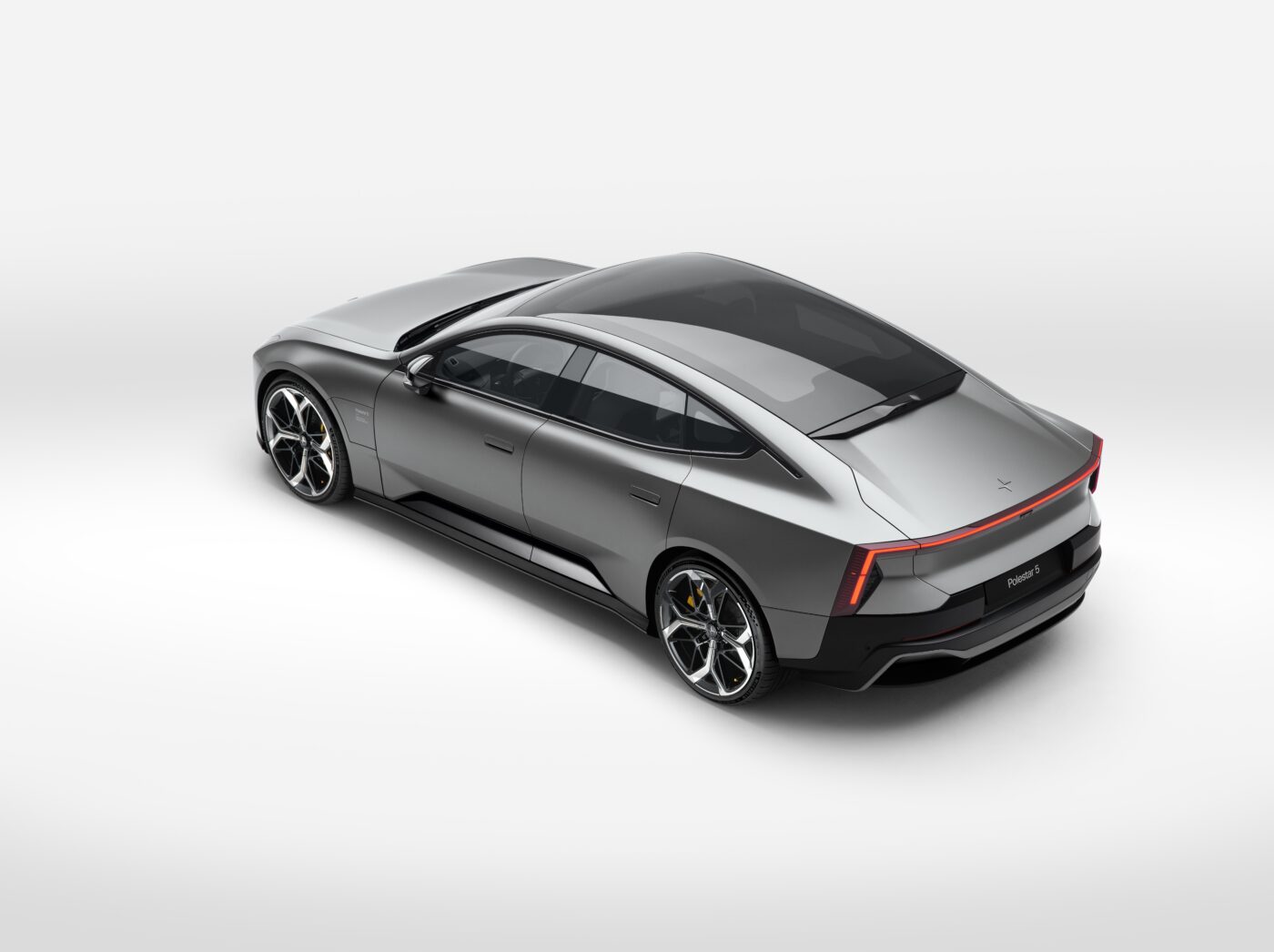
Speaking of performance: With the 5, you have a new top model. Was there a need for something like this?
It was missing and is «our brand on wheels,» as I call it. Everything Polestar stands for is embodied in this car. Instead of describing it, we can say: The Polestar 5 is our brand.
 The 5 is not an SUV, nor is the 2 a sedan. Are you swimming against the SUV trend?
Both are important and correct. We want to position ourselves as a premium brand, and the Polestar 5 fits perfectly with that. But there is the SUV trend, which is why we have the compact SUV Polestar 7, although the Polestar 3 and 4 are also essentially SUVs. But there will also be a successor to the Polestar 2—because there is more than just SUVs. That, in turn, fits perfectly with the theme of performance.
What will happen to the model nomenclature when the Polestar 2 gets a successor? After all, the numbers are not sorted by size, but chronologically.
We do it like Apple: the next product gets the next number, which is why, for example, the Polestar 7 will be smaller than a Polestar 3. However, the next model after the Polestar 7 will not be a Polestar 8, but the successor to the Polestar 2. It will again be called Polestar 2.
Unlike other manufacturers, you are opposed to watering down the EU's goal of no longer offering combustion engines from 2035 onwards, and unlike others, you continue to focus solely on electric vehicles rather than hybrids, for example. Isn't it dangerous to swim against the tide?
No, on the contrary. People love it, and it gives us almost a unique selling point. I notice this wherever I go. Even fleet customers say: Right, stick with it. It even makes our lives a little easier: we don't have to think about hybrids at all, we don't make hybrids and we never will. That's a statement.
Your career has had many stages. Which one was particularly exciting?
Every task is exciting. Leading Opel into profitability after 20 years of losses was fascinating—no one had ever done that before. The cultural change from American to French ownership was also interesting. I like that about Polestar too, that so many things come together: the Scandinavian, cautious, clear, and well-thought-out approach combined with Chinese technology, which has a completely different speed. I lead a brand that is unlike any other, which is challenging, a huge opportunity, and gives me a lot of pleasure. What's interesting in Sweden is that it's customary to contradict your bosses. In the US, if the boss says everyone should jump out of the window, they do it. In Sweden, the response is: We see it differently. That has made the nation very successful in business.