Mercedes W 108/109: Six decades of elegance
One of the most elegant saloons was born 60 years ago. We take a look at the Mercedes S-Class from the W 108/109 series and give you some buying advice.


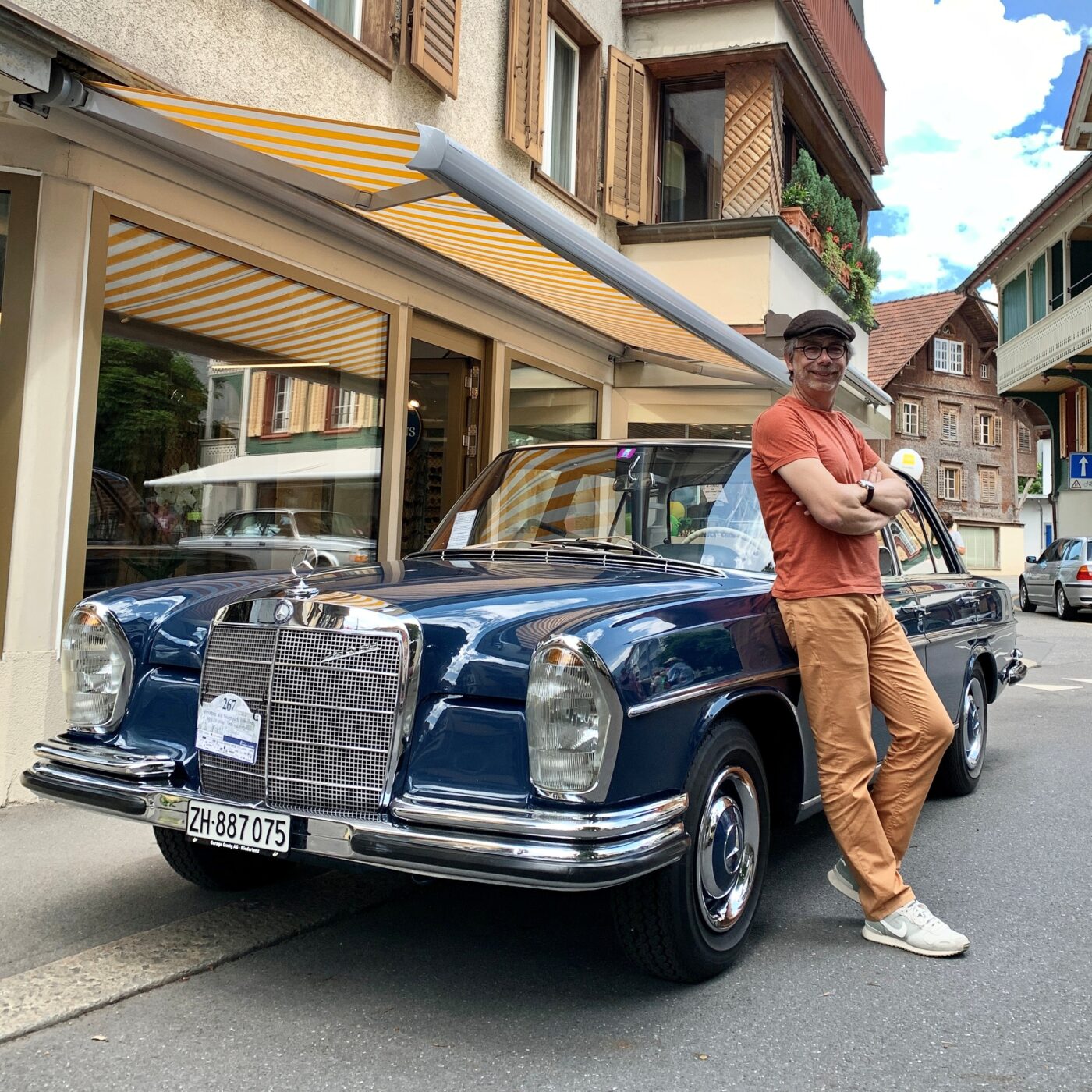
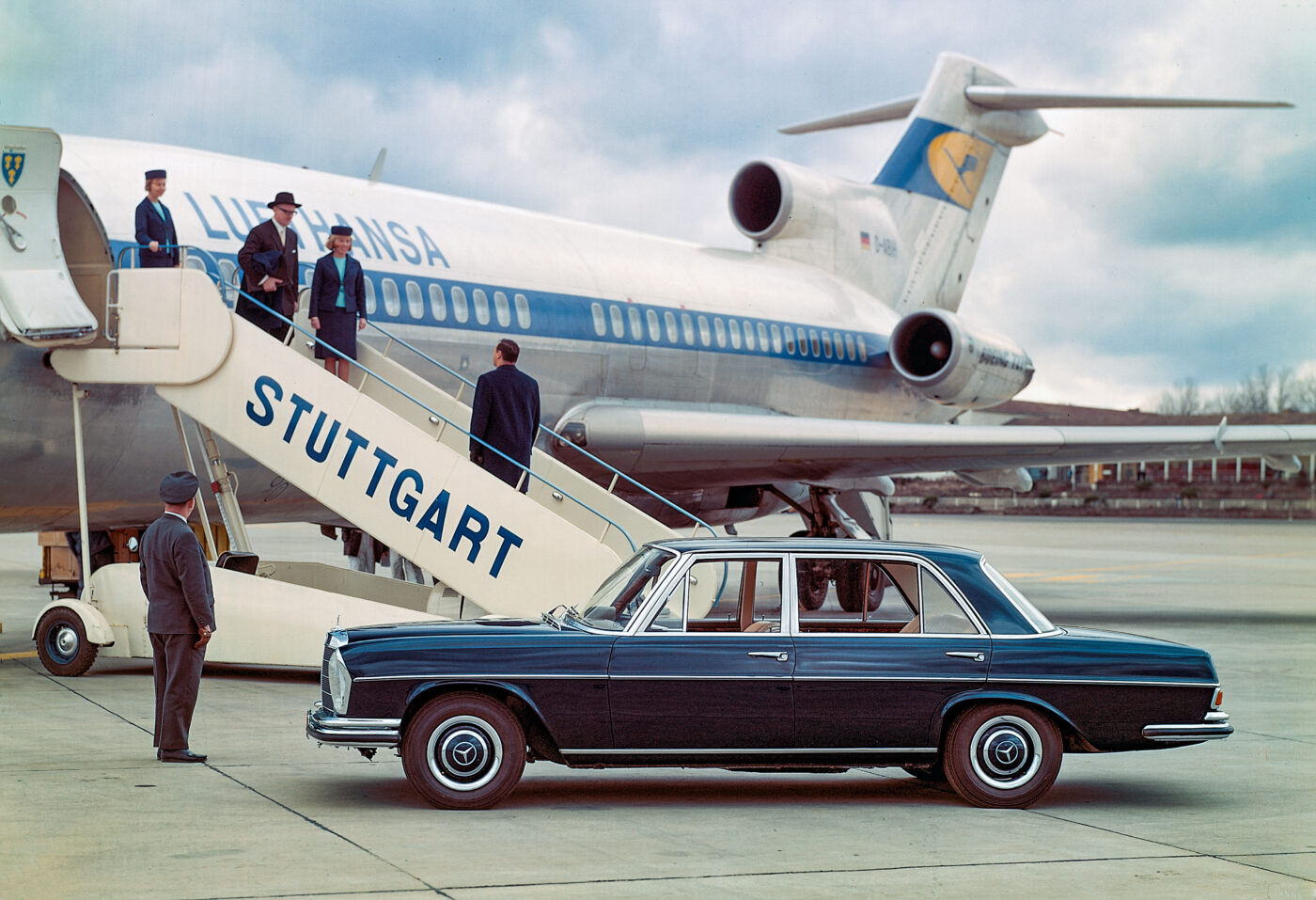
How could this happen? At the beginning of the 1960s, this was probably the question asked by the management «at Daimler» (as the Swabians say): The rear fin models of 1959 were innovative (first safety cell with crumple zones). But fashionable gimmicks such as mini rear fins, coyly advertised as «direction fins» - on a car with a star? Undignified. So in future, timeless elegance please. The result was the W 108/109 series in 1965, today usually called the 108.
The first real S-Class
Historically, the W 108/109 (109 = air suspension) can be considered the first true S-Class. Although Mercedes itself did not use this term until the successor W 116, for the first time the basic and S models (S = special class) were to feature their own bodies designed by chief designer Paul Bracq. Surprisingly, initially, the 108 was criticized by some as being too plain. But it soon came to be regarded as a design masterpiece, and remains so to this day. Available in two lengths (4.90/5.00 meters), it was powered by six- or eight-cylinder engines with 130 to 250 hp. By 1972, 382,000 units had been produced, which was enormous for a luxury sedan at the time.
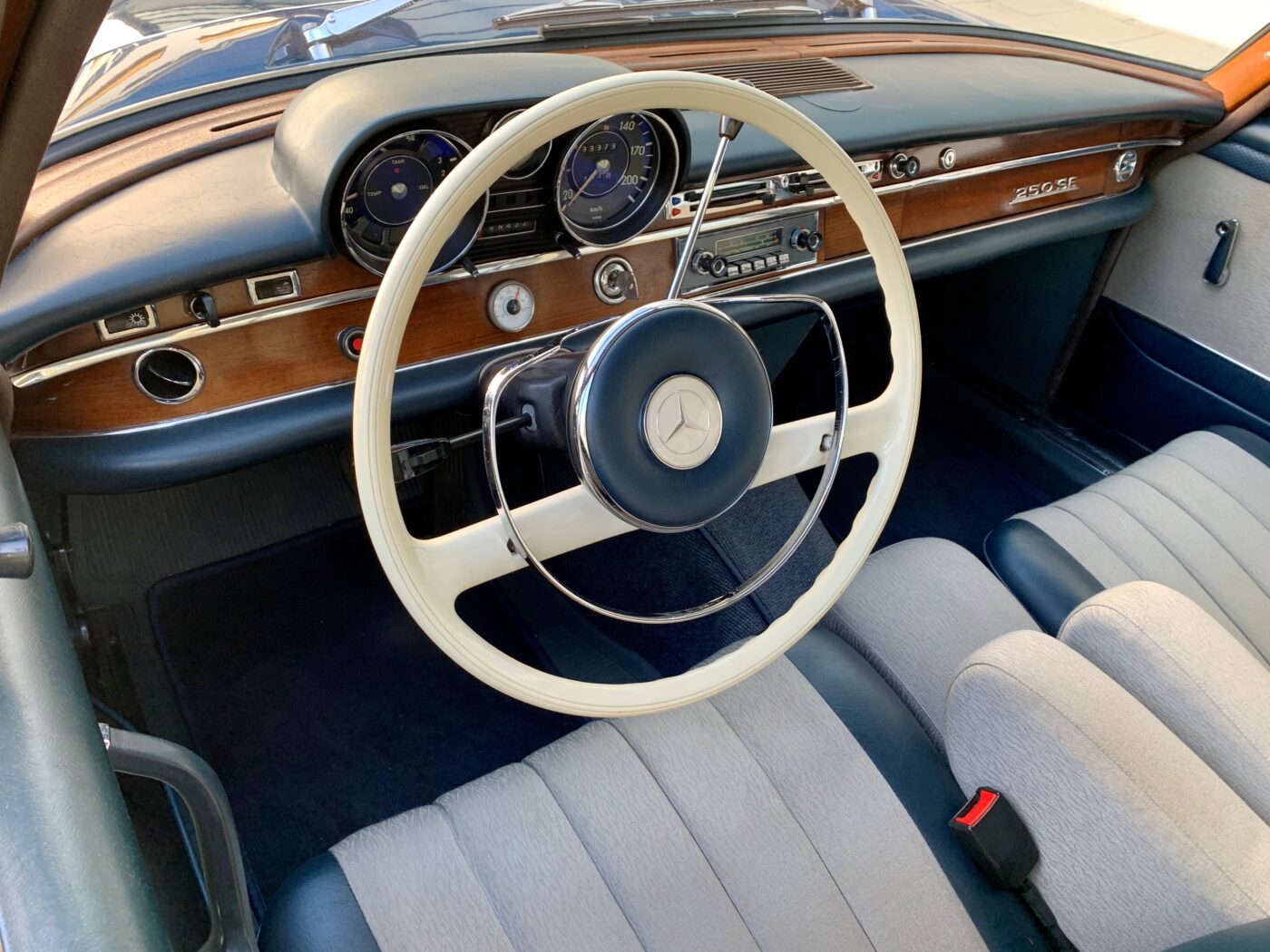 To this day, the 108 glides along wonderfully comfortably and, for the most part, reliably. The feeling of sitting upright behind the XL steering wheel: the bank manager is coming. Your gaze wanders over the fine wood, with the interior of the early models being even more nostalgic in detail than in later models. Incidentally, the twin headlights, which were initially only fitted to the US versions, were later retrofitted to the top model and eventually became standard equipment. The performance is sufficient to keep up with traffic without any problems, and compared to other cars of the same era, the 108 offers comparatively trouble-free handling and good crash safety.
A little buying advice
Today, the 108 is very popular as a classic car and there is a wide range on offer, including many re-imports from the USA. Good vehicles start at around 25,000 Swiss francs. Among the six-cylinder models, the 280S and SE (E = injection) are more common and popular because the early 250S and SE were not fully throttle-resistant. Today, of course, this can be ignored in typical classic car operation (as the author of these lines, who himself drives a 250 SE, does). The V8s are superior and somewhat more expensive; the 280 SE/SEL 3.5 is popular here. The 108 mechanics are robust, but caution should be exercised when servicing the aluminum engine of the 300 SE, the air suspension, the electric sunroof, and the high-flyer V8 type 300 SEL 6.3: defects are expensive. Rust? Yes, and how – most 108s fell victim to the brown plague. But Swiss cars have usually been fully restored long ago; with imports, however, it is important to take a good look.